Makar Sankranti 2027 Shopping: Date, Plan & Outfit Guide
Makar Sankranti 2027 is Friday 15 January. Shop outfits by 3 January, jewellery by 10 January, and puja items by 13 January.
FRQ Editorial
FRQ Journal editorial team
General guidance for shoppers. Prices are indicative and change by shop and season.
This page is for Indian shoppers and small shop owners planning Makar Sankranti 2027 purchases. It covers only what to buy and when, based on the verified date and the weekends before it. It does not cover travel, weather, or regional rituals beyond the shopping calendar.
When to shop for Makar Sankranti 2027
Makar Sankranti 2027 falls on Friday 15 January, with Lohri on Thursday 14 January. The weekends before it are listed in order below. Use them to phase your shopping so you are not rushing in the last week.
Outfit and blouse stitching: by Sunday 3 January
Use the Saturday 2 January and Sunday 3 January weekend to finalise your main outfit. This gives you time for stitching adjustments, try-ons, and a return or exchange if the fit is off. Do not leave saree or lehenga shopping for later if you need custom stitching.
Jewellery and footwear: by Sunday 10 January
Shop for jewellery, bangles, and footwear in the weekend of 9-10 January. This leaves two full weeks to match them with your outfit, check for skin reactions on new pieces, and replace anything that arrives damaged.
Puja items, sweets, and last checks: 12 to 14 January
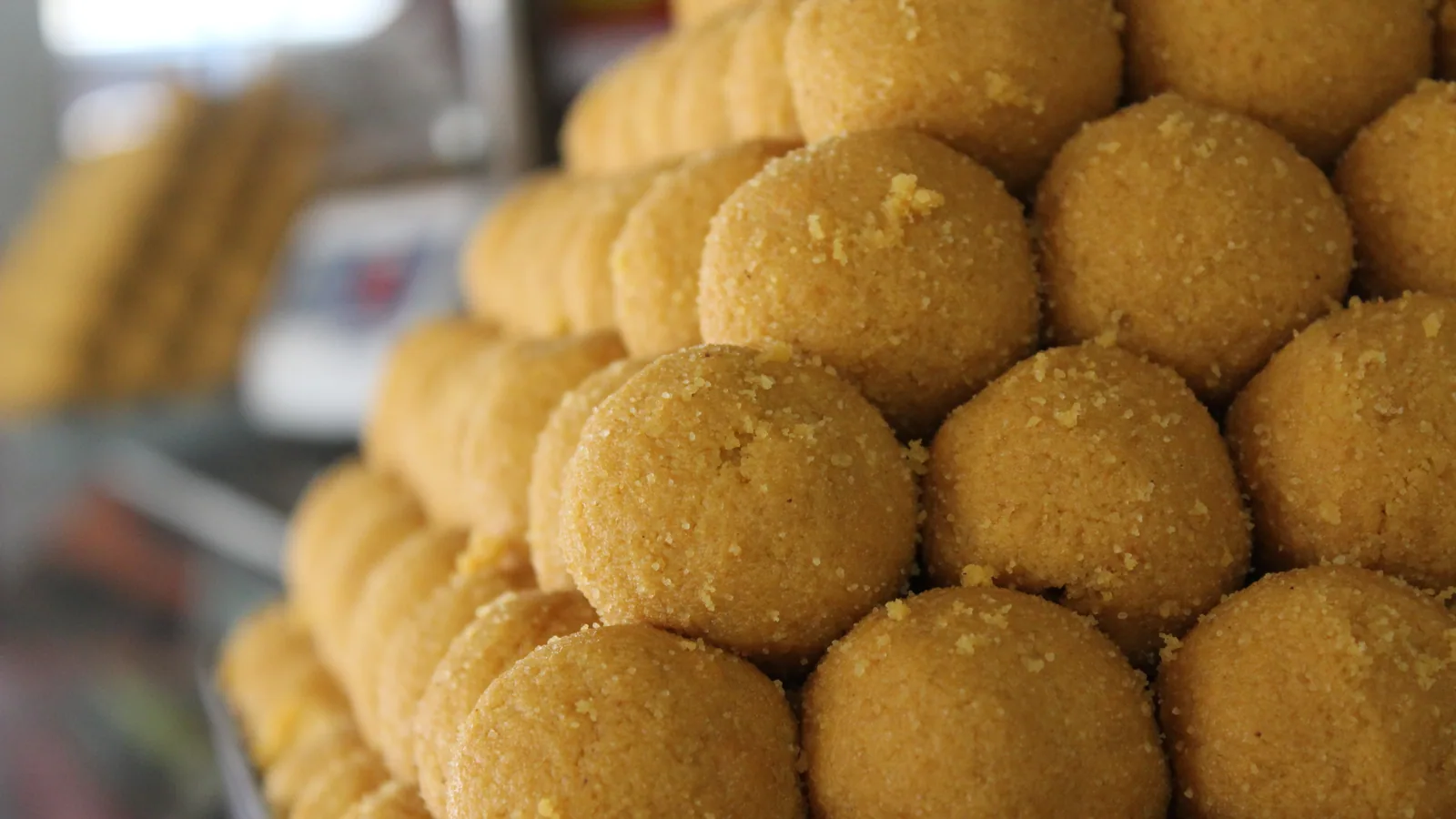
Leave puja items, sweets, and any gifting to the last three days: Tuesday 12 January, Wednesday 13 January, and Thursday 14 January. These are fresh goods with short shelf life. Check labels on sweets for expiry and on puja items for completeness before you pay.
Shopping muhurat: what to know
If your family follows a shopping muhurat, calendars differ between regions and pandits. We are not given one in the verified sources. Ask your family pandit which day and time they recommend for buying clothes and jewellery. Do not rely on a generic online chart for an auspicious purchase time.
Outfit chooser by situation
First festival as a new bride or guest
Prioritise a well-fitted outfit in a colour that suits your skin tone. Check the fabric label for silk or silk-blend content. Try it on with the shoes and jewellery you plan to wear. Comfort matters more than sparkle when you are sitting through rituals.
Working woman with limited shopping time
Choose a ready-to-wear kurta with churidar or a pre-stitched saree to save stitching time. Check the return window before you pay. A simple dupatta in zari or cotton can lift a plain outfit without extra cost.
Mother-in-law or elder relative
Prioritise fabric quality and modest styling. Look for a cotton-silk or pure silk saree with a comfortable border. Check that the pallu length works for your height. Avoid heavy embellishments that snag easily.
Husband's kurta and pyjama
Take his measurements at home before you go. Check the kurta length against his waist and the pyjama waistband for comfort. A cotton or khadi kurta is easier for a long day than synthetic fabric.
Child's outfit
Prioritise comfort and easy movement. Check that the dress does not have loose beads that a child can pull off. A cotton lehenga or a comfortable kurta set is better than heavy silk for a child who will be running around.
What to spend first on at each budget tier
If your budget is about ₹1,000, spend first on the outfit. If your budget is about ₹2,000, spend first on the outfit and then on a matching dupatta. If your budget is about ₹5,000, spend first on the outfit, then on jewellery, and then on footwear. These are planning bands, not shopping lists.
Checklist before you pay
- Fabric label: confirm silk, cotton-silk, or khadi content as per your need.
- Fit: try the outfit with the shoes and jewellery you will wear.
- Return window: ask how many days you can return or exchange.
- Price and bill: check the bill matches the displayed price and includes any discount.
- Zari and embroidery: inspect for loose threads or missing beads.
- Scent: ensure no strong chemical smell that indicates poor storage.
- Puja items: check the kalash, diya, and sweets are complete and within expiry.
How to shop a local market
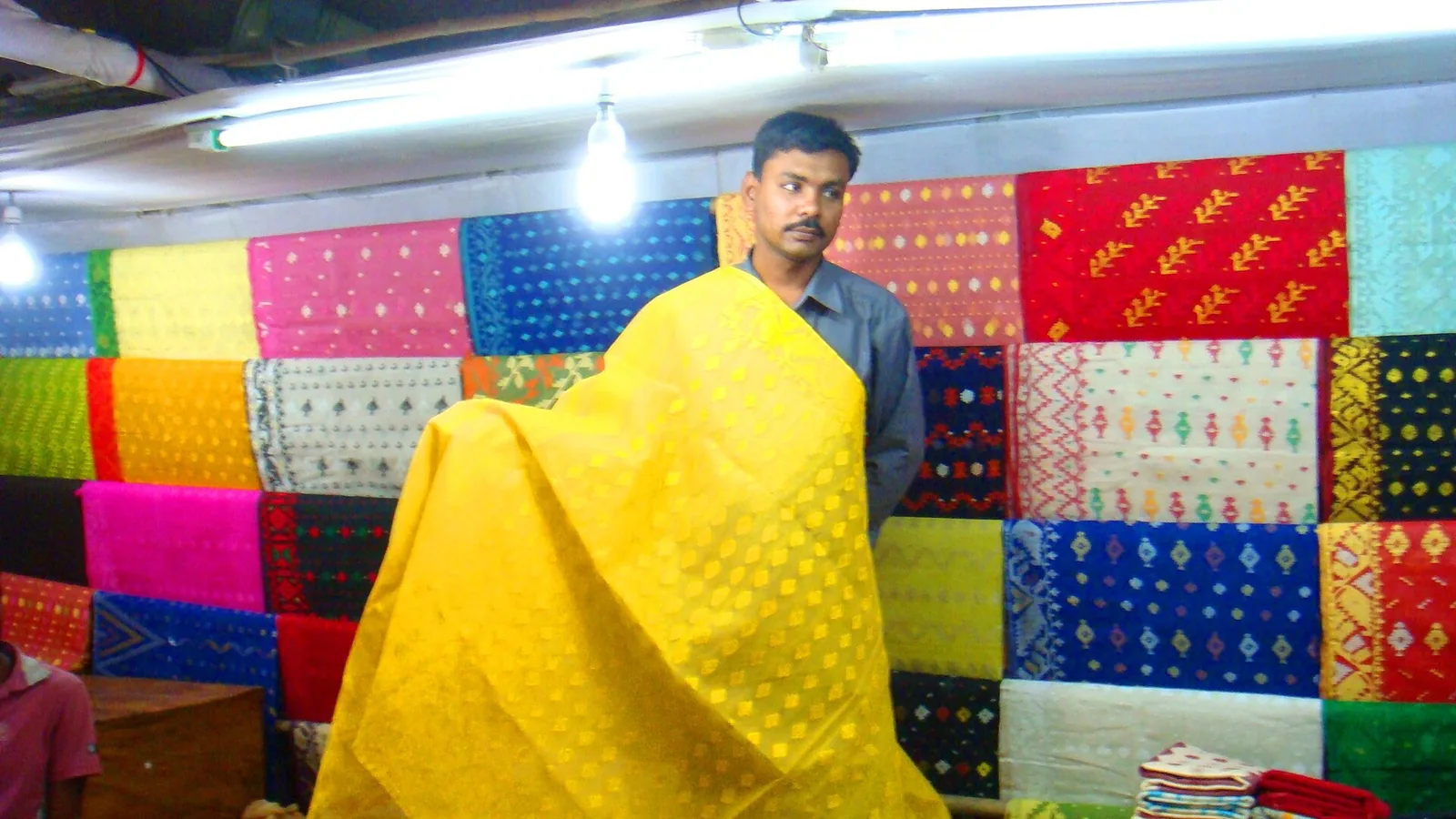
Visit in the morning when stalls are fresh and you have time to compare. Check three stalls for the same fabric before you buy. Feel the fabric for weight and texture. Ask for a small swatch if the shop allows. Do not buy in a rush; walk away and return if the price feels wrong.
Frequently asked questions
Can I buy Makar Sankranti clothes online and still get them in time?▼
Yes, if you order by the first week of January. Check the delivery estimate on the product page and the return policy. Have a backup outfit ready in case the parcel is delayed.
What is the difference between Lohri and Makar Sankranti shopping?▼
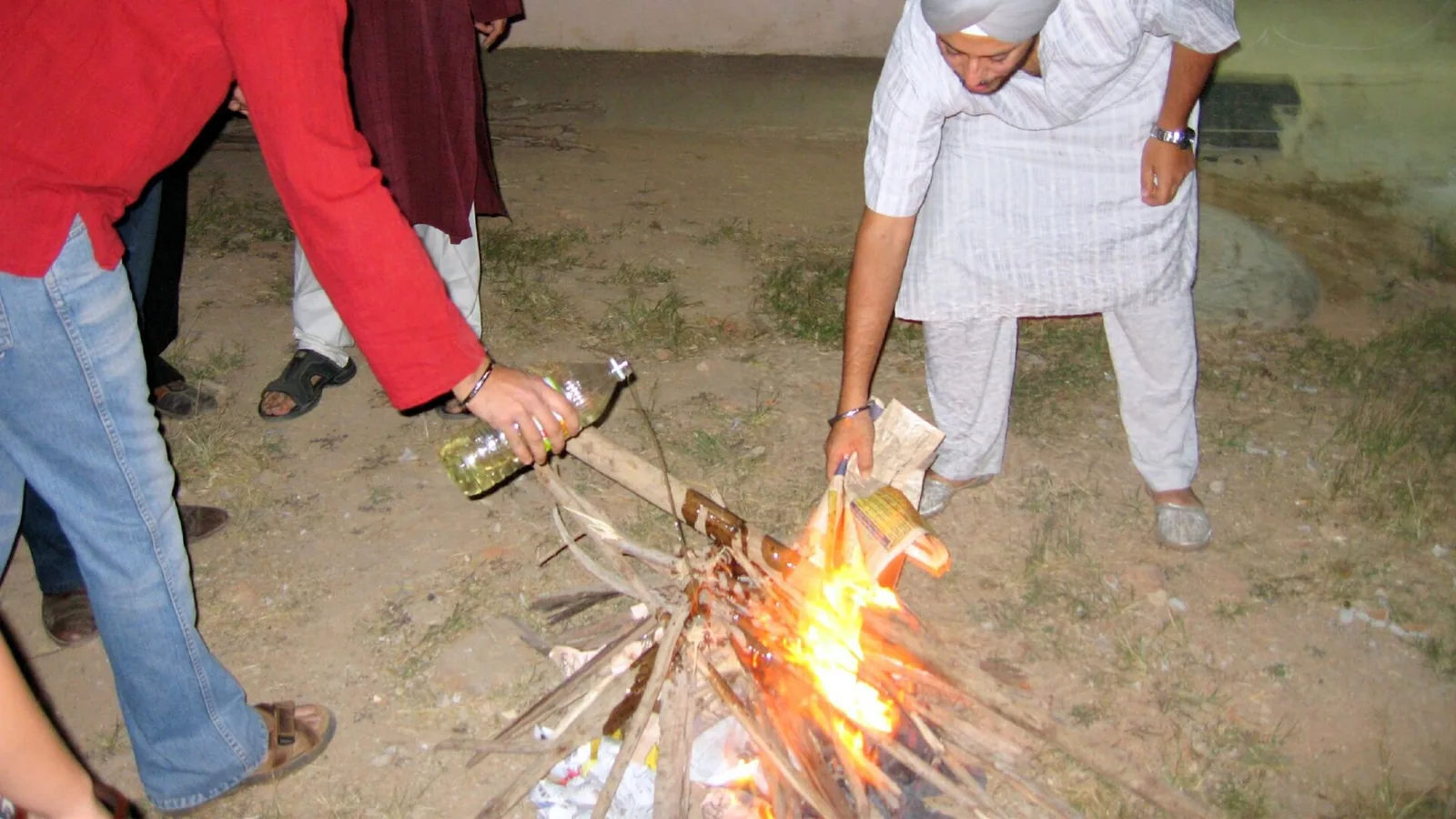
Lohri is on Thursday 14 January and is about bonfire, sweets, and new clothes. Makar Sankranti is on Friday 15 January and is about sun rituals, silk, and puja items. Shop for both in the same week but keep the outfits separate.
Is silk necessary for Makar Sankranti?▼
Silk is traditional but not mandatory. Cotton-silk blends and khadi are comfortable alternatives. Check the weather in your city and your comfort level for a long day of rituals.
Related guides
Discover authentic bazaar markets & local shops online.
See what local shops stock and what they charge, then visit the shop to check the item and pay at the counter.