Lohri 2027 Shopping: Date, Plan & Outfit Guide
Lohri 2027 is on Thursday 14 January. Shop outfit and blouse first, then jewellery, then puja items in the last three days.
FRQ Editorial
FRQ Journal editorial team
General guidance for shoppers. Prices are indicative and change by shop and season.
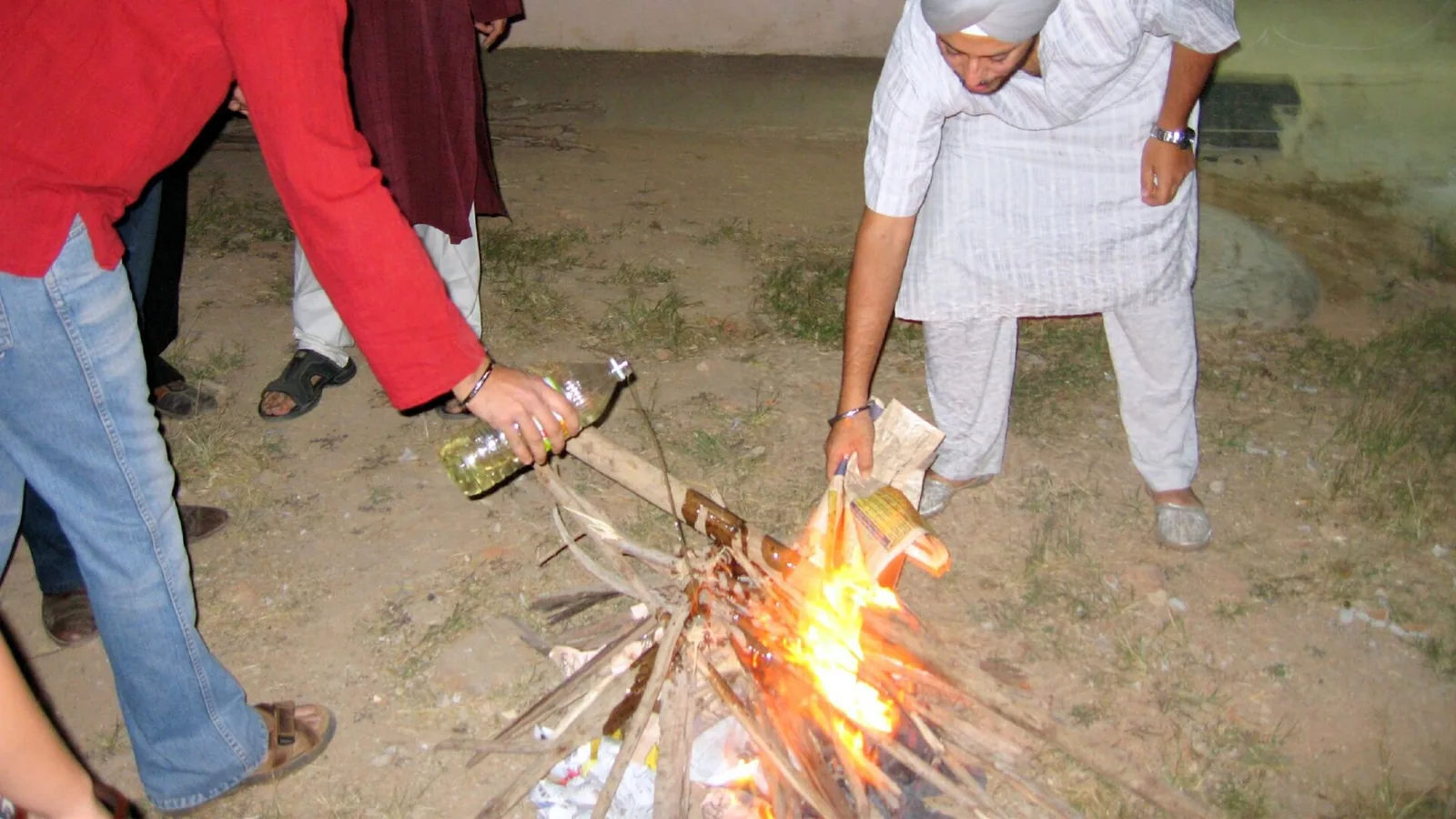
This page is for Indian shoppers who want to buy clothes, jewellery, footwear and puja items for Lohri 2027. It does not cover Makar Sankranti, Diwali or any other festival. It covers only what to buy, when to buy it, and what to check before you pay. The first thing to do is mark Thursday 14 January 2027 on your calendar, because that is the day of Lohri.
When to shop for Lohri 2027
Lohri falls on Thursday 14 January 2027, the day before Makar Sankranti. The weekends before it are listed in the dates block. Use them in this order so you are not rushing in the last week.
- Saturday 7 November and Sunday 8 November: Buy your outfit and get blouse stitching started. This is the earliest weekend and gives the tailor time.
- Saturday 14 November and Sunday 15 November: Buy jewellery and footwear. You still have two months to exchange if the fit or stone falls out.
- Saturday 21 November and Sunday 22 November: Buy the dupatta, shawl or pagri if you have not already. This is also a good weekend to check that the outfit still fits over winter layers.
- Saturday 28 November and Sunday 29 November: Buy any remaining accessories like bangles, earrings or a waist belt. You can still make changes.
- Saturday 5 December and Sunday 6 December: Last comfortable weekend for footwear. After this, shops get crowded and your size may be sold out.
- Saturday 12 December and Sunday 13 December: Buy puja items like the brass plate, diya, sesame seeds, jaggery and gajak. These are non-negotiable for the evening.
- Saturday 19 December and Sunday 20 December: Buy sweets and dry fruits for guests. Fresh sweets are best bought close to the day.
- Saturday 26 December and Sunday 27 December: Buy anything you missed. This is the last weekend with normal shop hours.
- Saturday 2 January and Sunday 3 January: Buy last-minute items only. Shops will be crowded and prices may have gone up.
- Saturday 9 January and Sunday 10 January: Avoid shopping. Only buy if something is broken or lost.
- Monday 11 January, Tuesday 12 January and Wednesday 13 January: These are the last three days. Buy only puja items, fresh sweets and gajak. Do not buy outfits or jewellery now unless it is an emergency.
Shopping muhurat for Lohri
Some families follow a panchang and shop only during a muhurat. Calendars differ by city and by the pandit you ask. If your family follows one, ask your pandit for the exact timing and the date. Do not rely on a general online list, because the inauspicious hours change every year. If you do not follow a muhurat, shop on any of the weekends listed above and you will be fine.
Outfit chooser by situation
First-time Lohri celebrant
If this is your first Lohri, prioritise comfort and a complete look. Buy a readymade Punjabi suit or a salwar kameez in cotton or a cotton-silk blend. Check the fabric label to confirm it is not purely synthetic, because you will be sitting near a bonfire and the heat will make polyester uncomfortable. Check that the dupatta is attached or that you have a matching one, because first-timers often forget it. Try the outfit at home over winter layers before the day.
Working woman
If you are working, prioritise an outfit that does not need ironing and that travels well. Buy a wrinkle-free salwar kameez or a ready-to-stitch lehenga in georgette or a silk blend. Check that the kurta length covers your hips when you sit, because office travel means you will be sitting in cars and cabs. Check the return window, because you may need to exchange if the colour fades after one wash.
Mother-in-law
If you are the mother-in-law, prioritise a rich-looking fabric and a classic colour. Buy a saree in silk or a silk blend with zari work, because Lohri is a festival of harvest and you will be greeting guests. Check the pallu length, because a short pallu looks unfinished. Check that the blouse is stitched in your size, because a tight blouse will be uncomfortable when you are serving food.
Husband's kurta
If you are buying a kurta for your husband, prioritise a fabric that does not shrink and a colour that matches your outfit. Buy a cotton or a cotton-silk kurta in beige, maroon or navy. Check the collar, because a stiff collar will irritate him when he is bending to feed the bonfire. Check the sleeve length, because he will be rolling them up and a short sleeve will look odd.
Child's outfit
If you are buying for a child, prioritise comfort and washability. Buy a cotton chaniya choli or a salwar kameez in a bright colour, because children will be playing near the fire and will get rewri and jaggery on the clothes. Check that the outfit is machine-washable, because hand-washing a festive outfit every day is not practical. Check the waist elastic, because a tight elastic will hurt the child when they sit on the floor.
What to spend first on at each budget tier
Use these bands only as a guide for what to prioritise. They do not tell you what the amount buys, because prices vary by city and fabric.
- If your budget is about ₹1,000, spend first on the outfit, then on the dupatta if it is not included.
- If your budget is about ₹2,000, spend first on the outfit, then on the dupatta, then on simple jewellery like a pair of bangles.
- If your budget is about ₹5,000, spend first on the outfit, then on the dupatta, then on jewellery, then on footwear.
Checklist before you pay
- Fabric label: what is the material and is it machine-washable?
- Fit: can you sit, bend and walk in it without pulling?
- Comfort: will it be comfortable near a bonfire for two to three hours?
- Return window: how many days do you have to exchange if the colour fades or the size is wrong?
- Blouse stitching: is it done in your size and will it be ready by 13 January?
- Jewellery: are the stones secure and is there a warranty card?
- Footwear: can you walk on uneven ground in them without slipping?
How to shop a local market for Lohri
When you go to a local market, start in the morning when the stalls are fresh and the shopkeeper has time to talk. Compare three stalls before you buy anything. Do not buy the first thing you see, because the next stall may have the same fabric at a better price.
- Timing: go in the morning, because after noon the market gets crowded and the shopkeeper is rushed.
- Compare three stalls: look at the same fabric in three shops and ask for the price at each. Write down the prices and then decide.
- Fabric checks: hold the fabric up to the light to see if it is tightly woven. Rub it between your fingers to feel the thickness. Ask if the colour will bleed when you wash it.
- Fit check: try the outfit on in the shop. Do not rely on the size label, because sizes differ between shops.
- Payment: pay only after you have checked the stitching, the fabric and the return window. Do not pay in full if the shopkeeper says they need to order the item.
Frequently asked questions
Can I buy Lohri outfits online and still get them in time?▼
If you order by the first weekend of November, you should receive the outfit by mid-December. After that, delivery times increase and you risk not receiving it before 14 January. Always check the delivery date on the product page and choose a seller with a clear return policy.
What is the traditional dress for Lohri?▼
Women wear a Punjabi suit, a lehenga choli or a saree in bright colours like red, yellow or green. Men wear a kurta pyjama or a sherwani. Children wear a chaniya choli or a small kurta. The key is to wear something new and bright, because Lohri is a harvest festival and the colours represent prosperity.
How do I know if a fabric is good for Lohri?▼
Check the label for the fibre content. Cotton and silk blends are best for Lohri because they are comfortable near a bonfire and do not melt like polyester. Hold the fabric up to the light; if you see gaps between the threads, it is loosely woven and will wear out quickly.
Related guides
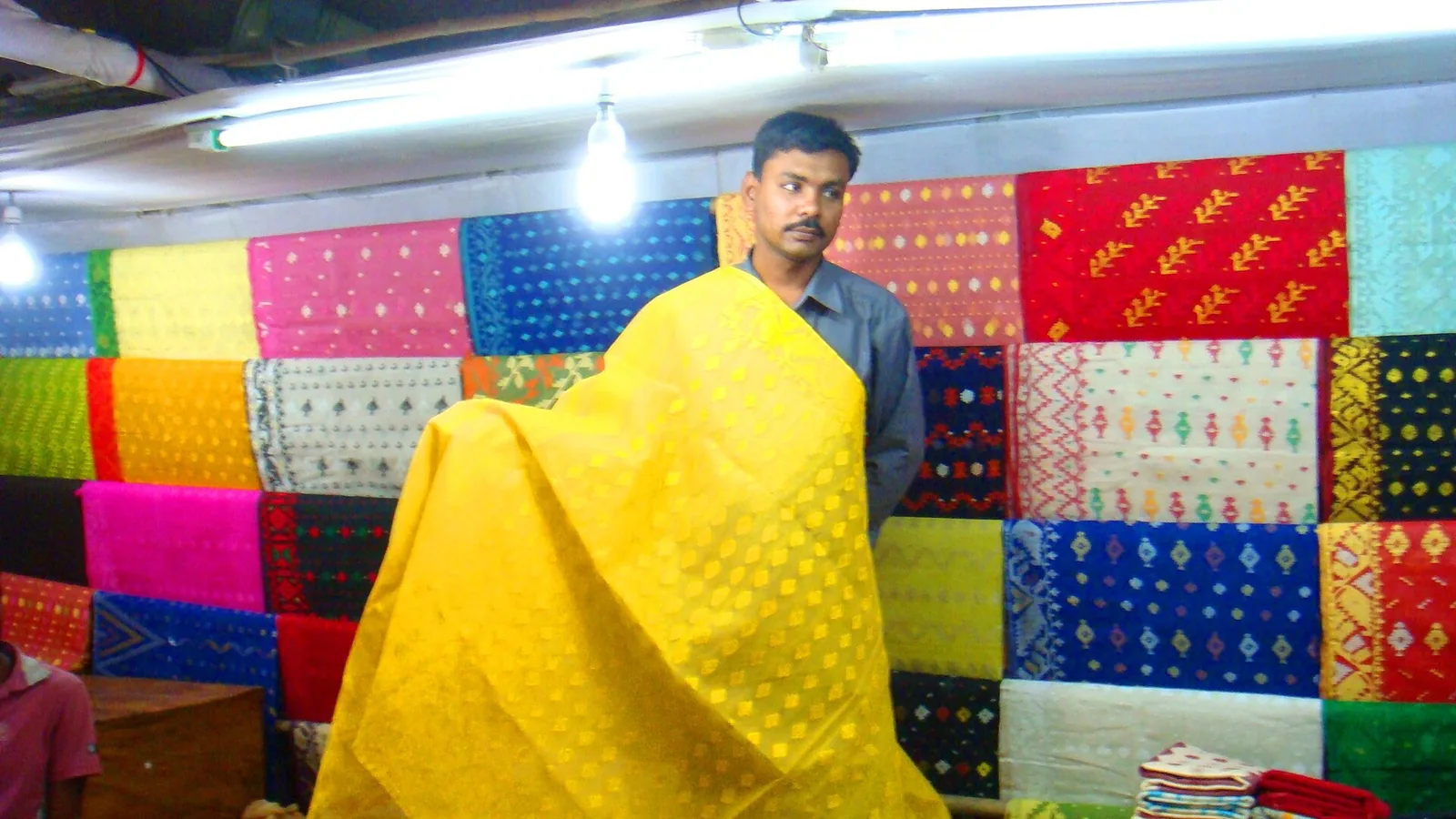
Discover authentic bazaar markets & local shops online.
See what local shops stock and what they charge, then visit the shop to check the item and pay at the counter.