How to Wash Chikankari Kurta at Home Without Losing Embroidery
Wash your chikankari kurta at home by hand using cold water, mild detergent, and gentle drying to protect the embroidery.
FRQ Editorial
FRQ Journal editorial team
General guidance for shoppers. Prices are indicative and change by shop and season.
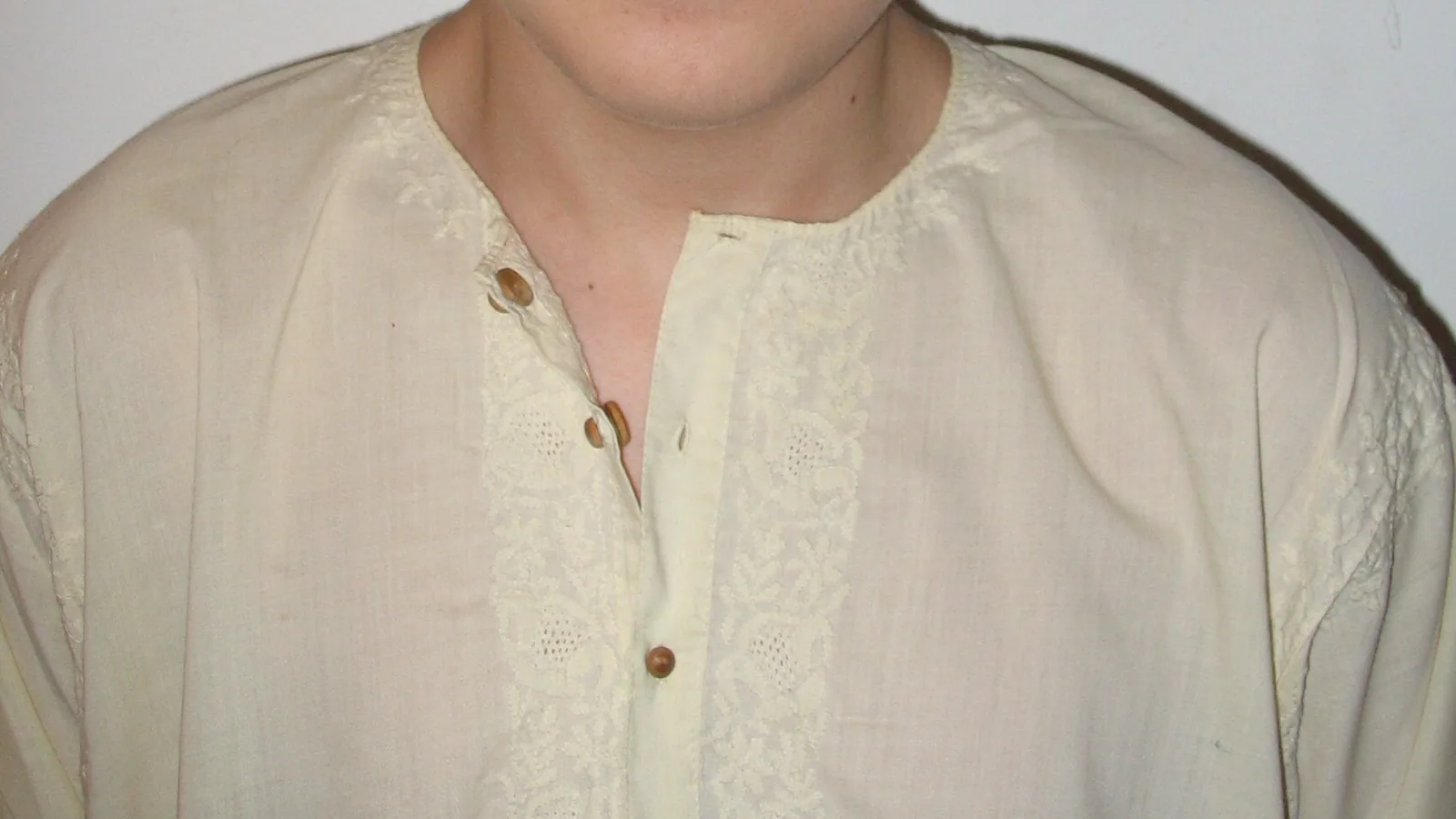
This page is for anyone who owns a chikankari kurta and wants to wash it at home without losing the embroidery. It does not cover machine washing, dry cleaning, or how to wash other types of embroidery like zari or sequin work. The first thing to do is check the care label on your kurta if it has one.
Check the care label first
- Label check: Look at the inside neck or side seam for a wash symbol. What it means: A hand wash symbol means you must wash by hand; a crossed-out washing machine means do not machine wash.
- Fabric check: Feel the fabric. If it feels stiff or has a starch smell, it may have been treated. What it means: Starched chikankari needs pre-soak before washing.
- Thread check: Look for loose threads or frayed embroidery. What it means: Trim loose ends gently before washing to prevent snagging, but do not pull them out.
How to wash chikankari kurta by hand
- Water temperature: Use cold water. What it means: Cold water prevents shrinking and keeps the embroidery threads from loosening.
- Detergent choice: Use a mild liquid detergent or soap. What it means: Harsh powders can break the cotton threads and fade the dye.
- Soak time: Soak for 10 to 15 minutes. What it means: Longer soaking can weaken the embroidery base fabric.
- Agitation: Gently swirl the kurta in water. Do not rub or scrub. What it means: Rubbing causes the embroidery to pull and distort the fabric.
- Rinsing: Rinse twice in cold water until no soap remains. What it means: Leftover soap can leave residue that attracts dirt and dulls the fabric.
What to do when a stain will not lift
- Pre-treat with mild soap: Dab a small amount of liquid soap directly on the stain. What it means: Let it sit for 5 minutes before washing to break the stain bonds.
- Use a soft toothbrush: Gently tap the stain with a soft-bristled toothbrush. What it means: Tapping lifts the stain without damaging the embroidery threads.
- Avoid bleach: Never use bleach or strong stain removers. What it means: Bleach can dissolve the embroidery thread and leave white spots on colored fabric.
- Repeat if needed: If the stain remains, repeat the process once more. What it means: Some stains need two gentle applications to lift completely.
How to dry chikankari kurta without damage
- Press water out: Do not wring. Press the kurta between two towels. What it means: Wringing twists the fabric and can pull embroidery threads out of place.
- Dry flat: Lay it flat on a clean dry towel. What it means: Hanging can stretch the fabric under its own weight, distorting the embroidery.
- Avoid direct sun: Dry in shade. What it means: Direct sunlight fades the fabric and can make the embroidery brittle over time.
- Iron after dry: Iron on reverse side with low heat. What it means: Ironing on the right side can flatten or shine the embroidery.
What these checks cannot prove
These checks cannot prove the long-term durability of the embroidery or whether the fabric will shrink after multiple washes. The stronger proof is the care label printed by the manufacturer, which tells you the exact wash method and temperature. If the label is missing, ask the shop where you bought it for a copy of the care instructions. For a definitive test, wash a small hidden area first and check for shrinkage or color bleed.
Questions to ask at the counter or send to a seller
- What detergent do you recommend for this chikankari kurta?
- Can I wash it by hand in cold water?
- Is the embroidery thread colorfast?
- What is the best way to dry it without shrinking?
When the answer changes
If this is your first chikankari kurta, you may not know how it reacts to water. Test on a small area first. If you are buying it as a gift, ask the seller for care instructions before wrapping it. If you order online, check the product page for wash instructions and contact the seller if they are missing. In humid climates, dry it in a ventilated room to prevent mustiness. In dry climates, avoid over-drying to keep the embroidery flexible.
Safety and fairness note
Do not use hot water or strong detergents, as they can damage the embroidery and cause skin irritation if residue remains. If you have sensitive skin, rinse the kurta an extra time to remove all soap. When washing for someone else, follow the same steps to respect their garment and skin needs.
Frequently asked questions
Can I use a washing machine for chikankari kurta?▼
No, machine washing can pull the embroidery threads and distort the fabric. Always hand wash in cold water with mild detergent.
How often should I wash a chikankari kurta?▼
Only wash when it is visibly dirty or has an odor. Frequent washing can weaken the embroidery over time.
What if the embroidery thread comes loose after washing?▼
Do not pull it. Use a needle to tuck the loose thread back under the embroidery and secure it with a small stitch on the inside.
Related guides
Discover authentic bazaar markets & local shops online.
See what local shops stock and what they charge, then visit the shop to check the item and pay at the counter.