How to Identify Pure Mul Cotton Fabric Before You Buy
Five simple checks at the counter will tell you if the fabric is pure mul cotton or a blend.
FRQ Editorial
FRQ Journal editorial team
General guidance for shoppers. Prices are indicative and change by shop and season.
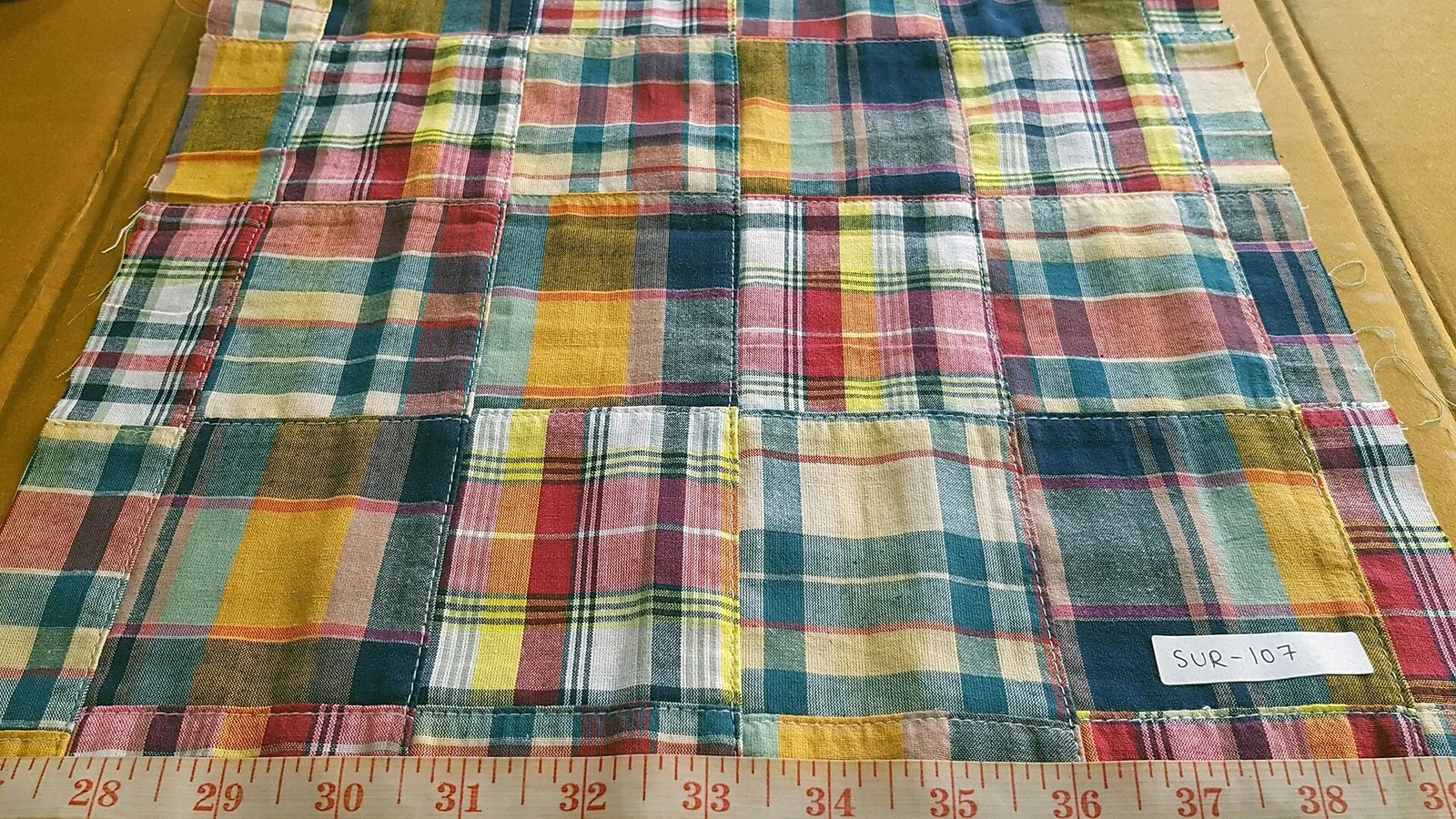
This page is for the summer shopper who wants breathable, skin-friendly clothing and needs to tell pure mul cotton from blended or synthetic copies before paying. It does not cover saree draping, garment stitching or price comparisons. The first check you should do is the feel test, right at the counter, before you ask for the price.
How to identify pure mul cotton fabric at the counter
- Feel test: Hold the fabric against your inner wrist or cheek. Pure mul cotton feels cool, slightly crisp and has a soft, uneven surface. What it means: If it feels warm, slippery or perfectly smooth, it likely contains polyester or rayon.
- Smell test: Bring the fabric close to your nose and take a small breath. Pure mul cotton has a neutral, earthy, almost hay-like smell. What it means: A chemical or plastic-like odour means synthetic fibres are present.
- Drape test: Hold one corner and let the fabric fall over your forearm. Pure mul cotton drapes with soft, irregular folds and settles quickly. What it means: If it springs back, holds stiff folds or clings to the skin, it is blended.
- Burn test: Ask the shopkeeper for a tiny loose thread. Light it with a match and blow out the flame immediately. Pure mul cotton burns with a paper-like smell and leaves a fine, grey, crumbly ash. What it means: If it melts into a hard black bead, stretches while burning or smells like melting plastic, it is not pure cotton.
- Weave check: Look at the fabric against light. Pure mul cotton shows small, slightly irregular slubs and a matte surface. What it means: A perfectly uniform, shiny weave indicates synthetic blending or sizing.
What these checks cannot prove
The feel, smell, drape, burn and weave checks can only suggest purity; they cannot confirm the exact fibre percentage or the presence of chemical finishes. The stronger proof is the fabric label, which in India must show the fibre content under the Textiles Act. Ask the shopkeeper for the stitched care label or a small sample card. If the label is missing, ask for a written bill that states the fabric composition. For a definitive test, you can send a 10 cm square sample to a government-approved textile testing laboratory such as those listed on the Ministry of Textiles portal; the report will give the exact cotton percentage.
Questions to ask at the counter or send to a seller
- Is this fabric 100 percent mul cotton, or does it contain polyester, rayon or viscose?
- Can I see the stitched care label that shows the fibre content?
- May I take a loose thread for a burn test?
- What is the GSM weight of this fabric, and is it suitable for summer wear?
- Does the fabric have any chemical starch or finish that I should wash before use?
When the answer changes
A first-time buyer may not trust the feel test and should rely on the label and the seller's written assurance. If you are buying a gift, ask for a small swatch you can mail later so the recipient can verify. For an online order, request a short video of the burn test or a photo of the label; assume the worst if neither is provided. In a wet climate, a slightly heavier mul cotton blend may dry faster, so a high cotton blend might be acceptable. In dry, hot climates, insist on 100 percent mul cotton for maximum breathability.
Safety and fairness note
When doing the burn test, use a small metal bowl to catch ash and keep the match away from your clothing. Do not burn a large piece indoors without ventilation. If the shopkeeper refuses a burn test, that is your signal to walk away; a confident seller usually allows it. Remember that a low price for pure mul cotton is rare; if the price seems too good, double-check the label before paying.
Frequently asked questions
Can I identify mul cotton without burning anything?▼
Yes. Start with the feel test on your wrist, then the drape test on your forearm. Pure mul cotton feels cool and drapes in soft, irregular folds. If the fabric feels warm, slippery or stiff, it is likely blended. Always confirm with the care label when possible.
What is the difference between mul cotton and regular cotton?▼
Mul cotton is made from the shorter staple fibres of the cotton plant, spun into a slightly slubby, soft yarn. It breathes well and wrinkles naturally. Regular cotton may use longer fibres and chemical treatments, giving a smoother, shinier appearance but less breathability.
Related guides

Discover authentic bazaar markets & local shops online.
See what local shops stock and what they charge, then visit the shop to check the item and pay at the counter.