How to Iron a Silk Saree at Home and Keep the Pleats
Iron silk sarees at home using low heat, a cotton cloth, and the correct pressing order to protect zari and pleats.
FRQ Editorial
FRQ Journal editorial team
General guidance for shoppers. Prices are indicative and change by shop and season.
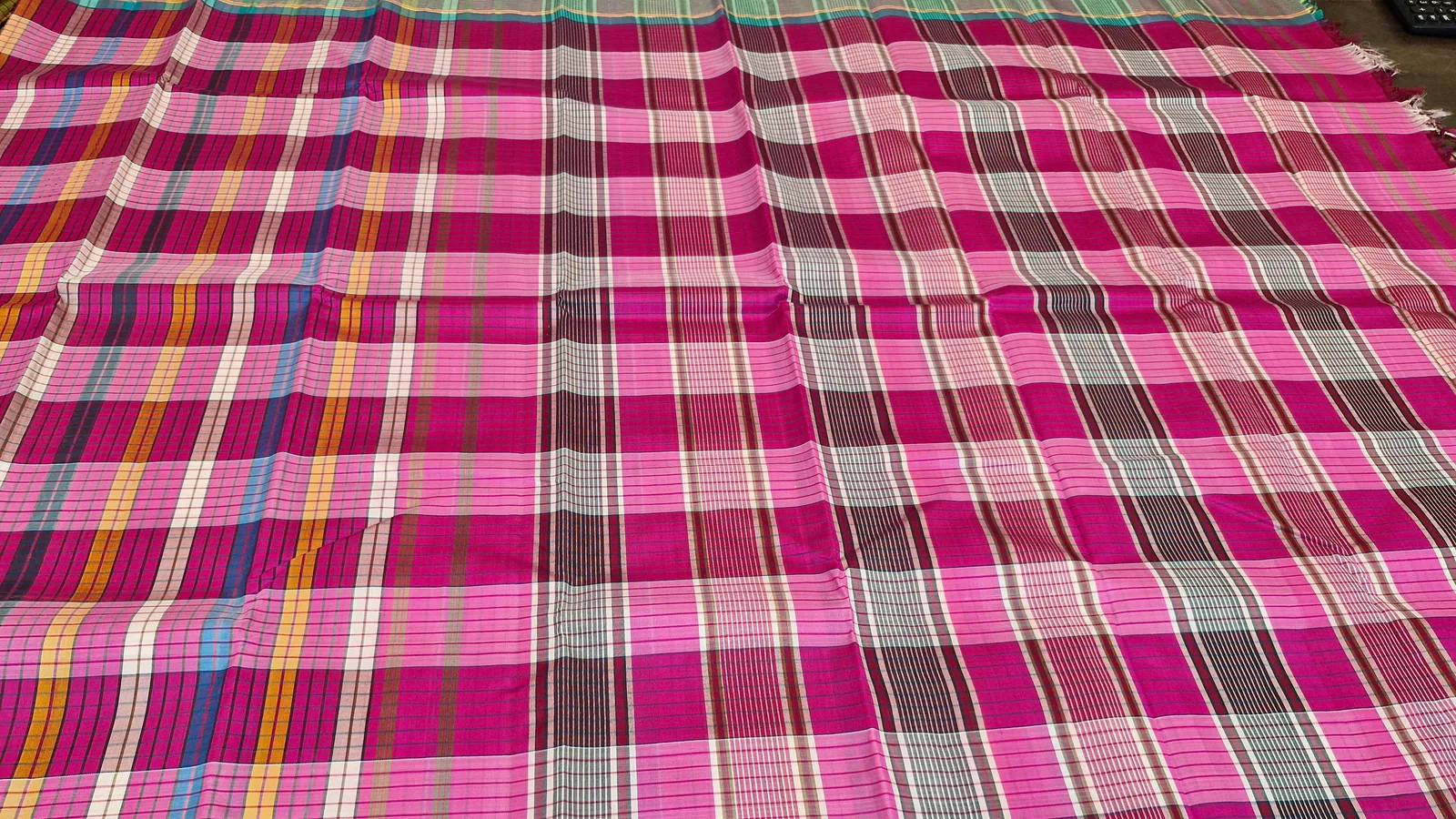
This page is for anyone who owns a silk saree and wants to press it at home without scorching the fabric or crushing the pleats. It does not cover washing, dry cleaning, or repairs. The first thing to do is check the care label on your saree for any washing or ironing symbols.
Check the heat setting before you start
- Heat setting: turn your iron to the lowest mark that still removes wrinkles. For silk, this is usually the synthetic or wool setting, not cotton. What it means: if the iron is too hot, the silk will shine or develop scorch marks that cannot be undone.
- Test on a hidden fold: press a small inside hem for three seconds. What it means: if the fabric darkens or smells, the heat is too high. Let the iron cool and try again.
- Steam: use no steam or very low steam. What it means: water droplets on silk leave spots. If your iron has a steam button, keep it off.
- Iron plate: make sure the plate is clean and smooth. What it means: a burnt residue on the plate can transfer to your saree. Wipe it with a damp cloth after it cools.
- Pause between sections: let the fabric cool for ten seconds between presses. What it means: heat builds up in folds. Cooling prevents shine lines.
Use the right cloth between iron and silk
- Cloth type: use a thin, plain cotton handkerchief or muslin square. What it means: a thick towel traps heat and can leave marks. A synthetic cloth can melt.
- Layer: place the cloth flat over the silk, then press. What it means: the cloth diffuses heat and prevents direct contact. Never press silk without a cloth.
- Size: the cloth should cover the area you are pressing. What it means: if the cloth is too small, the iron edge touches the saree. Replace it if it gets damp.
- Dampness: the cloth should be dry or barely damp. What it means: a wet cloth steams the silk and can leave water spots. If it gets wet, change it.
- Folds: lift the cloth, move it, then press again. What it means: pressing the same spot through a folded cloth can create lines. Keep the cloth flat.
Press in the right order to protect pleats
- Pallu first: lay the pallu flat, cloth side up, and press from the inner fold outward. What it means: the pallu is the most visible part. Pressing outward keeps the zari from creasing.
- Body next: work on the main length, always moving with the weave. What it means: pressing against the weave can loosen threads. Follow the direction of the zari lines.
- Pleats last: fold each pleat as it was worn, then press from the inside fold. What it means: pressing the outside of a pleat can flatten it. The inside fold is where the crease sets.
- Zari areas: press zari through the cloth with quick, light strokes. What it means: zari is often metallic thread. Slow, heavy pressure can flatten it or crack the coating.
- Between sections: let the saree rest for two minutes before folding. What it means: heat sets the crease. Folding too soon can undo the press.
What these checks cannot prove
These checks tell you the iron is set correctly and the cloth is in place, but they do not prove the saree is pure silk or that the zari is real. For that, look at the care label for the fabric composition. A bill or invoice from the shop shows the material and any warranty. If the label is missing, ask the seller for a written description of the fabric and zari. A simple burn test at the hem can confirm silk, but only do it on an unused scrap and never on the saree itself.
Questions to ask at the counter or send to the seller
- What is the lowest heat setting this fabric can take?
- Can I press this saree through a cotton cloth?
- Is the zari real metal thread or synthetic?
- Should I press the pleats from the inside or outside?
- Do you recommend dry cleaning after the first wear?
When the answer changes
If this is your first silk saree, practice on an old cotton saree first to learn the iron's heat range. If you are buying it as a gift, ask the shop for a pressing guide in writing. For an online order, check the return policy before pressing; some silk items cannot be returned once ironed. In humid seasons, use less steam and press in a well-ventilated room. In dry seasons, a barely damp cloth can help set creases without spots.
Safety and fairness note
Never leave a hot iron unattended on a silk saree. Keep a bowl of water nearby in case of a scorch. If the saree has a chemical finish, test the iron on a hidden area first. Fairness: if the shop sold you a saree that scorches at the lowest setting, ask for a replacement or a pressing service. Do not press silk that is still wet from washing; let it air dry completely first.
Frequently asked questions
Can I use a regular cotton saree ironing cloth for silk?▼
Yes, any thin, plain cotton cloth works. Avoid printed or colored cloths that may transfer dye. A white muslin square is the safest choice.
How long should I press each section of the saree?▼
Press for three to five seconds per section. Longer pressing can cause shine. Lift the iron, move it, and press again if needed.
What if my iron has no heat settings?▼
Use a cloth double or triple layer to reduce heat. Test on a hidden fold first. If the saree scorches, stop and take it to a professional presser.
Related guides

Discover authentic bazaar markets & local shops online.
See what local shops stock and what they charge, then visit the shop to check the item and pay at the counter.