How to Clean, Soften and Maintain Kolhapuri Chappals at Home
Clean dust and mud, soften the leather, and break in your Kolhapuri chappals with checks you can do today at home.
FRQ Editorial
FRQ Journal editorial team
General guidance for shoppers. Prices are indicative and change by shop and season.
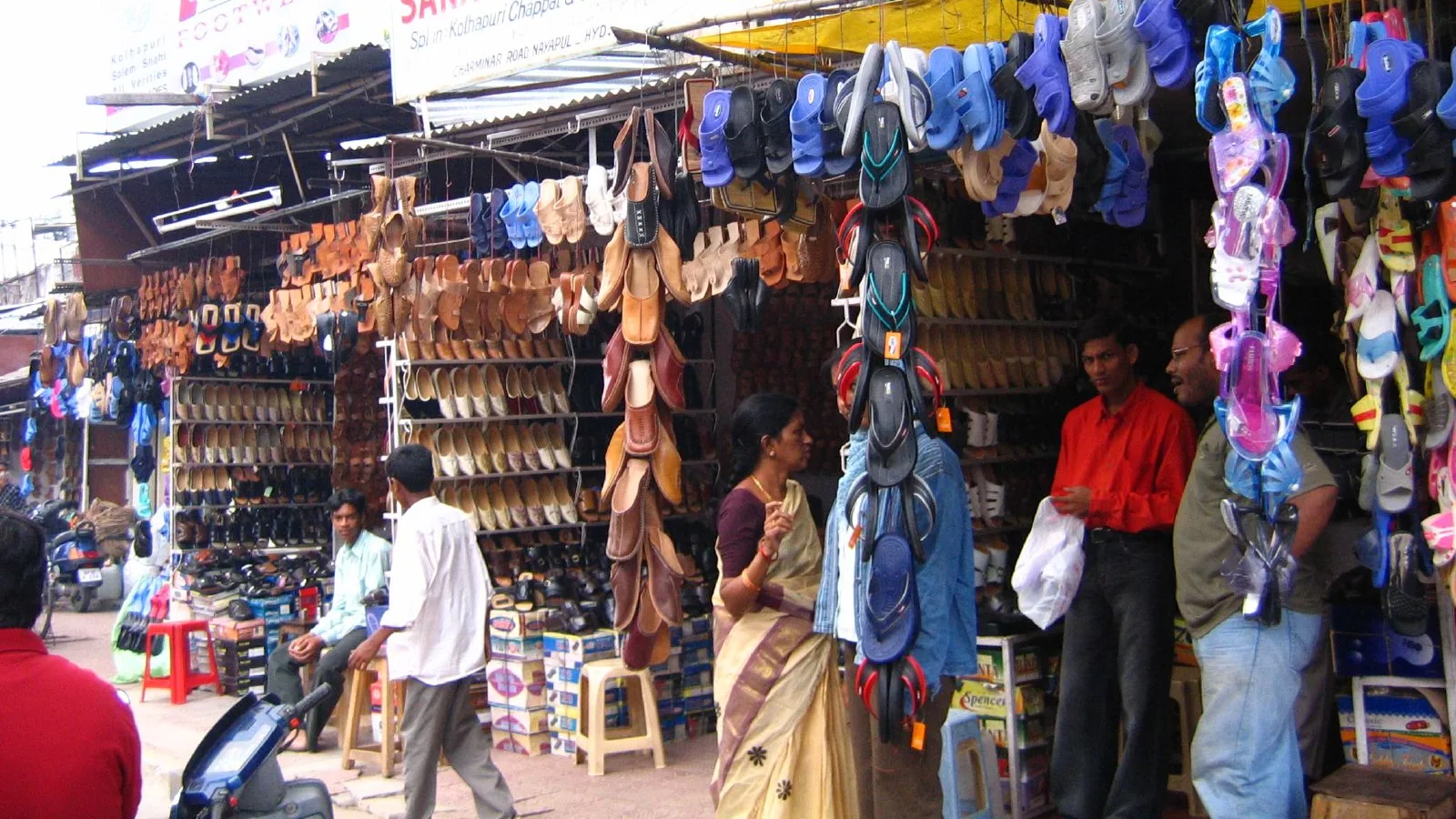
This page is for anyone who owns Kolhapuri chappals, whether newly bought or worn for years. It does not cover repairing broken stitches, replacing soles, or buying new pairs. The first thing to do is remove loose dust so that any later wet cleaning does not turn dust into mud that stains the leather.
Dry dust and loose dirt removal
- Soft bristle brush: Brush the upper, straps and sole gently in one direction. What it means: If the brush shows grey powder, you have removed the day's dust; if the leather still looks dull, repeat once more.
- Microfiber cloth: Wipe the same areas with a dry cloth. What it means: The cloth should pick up almost no residue; any visible grime means you need a damp clean next.
- Old toothbrush for grooves: Run the brush along the zari or embossed patterns. What it means: Threads and carved details should look clear, not filled with grey paste.
- Check the insole: Lift the footbed and shake out loose particles. What it means: If you hear grit falling, the insole is clean; if not, tap the chappal upside down against a wall.
- Walk on a clean floor: After brushing, step onto a white tile and check for transfer. What it means: No grey marks on the tile means the dry clean is complete.
Mud and sweat stains: spot test then wash
- Spot test: Dab one teaspoon of mild soap solution on the inner strap. What it means: After ten minutes the leather must show no colour bleed; if it darkens or fades, stop and use only water.
- Lukewarm water wash: Dip a soft cloth, wring well, and wipe the stained area in small circles. What it means: The stain should lift within thirty seconds; a stubborn patch needs a second pass, not more soap.
- Clean rinse: Wipe with a cloth dampened only with plain water. What it means: No soap residue should remain; the leather feels smooth, not slimy.
- Dry naturally: Place on a newspaper sheet at room temperature, away from direct sun. What it means: After two hours the surface should feel dry to the touch; if it still damp, leave it longer and flip it over once.
Softening the leather without oil stains
- Conditioner test: Apply a pea-sized amount of leather conditioner to a cotton pad and rub on the inside of the strap. What it means: After five minutes the leather should look richer, not darker; any dark streak means too much product.
- Thin layer application: Spread the same amount over the whole upper in circular motions. What it means: The surface should feel supple when pressed, not sticky.
- Absorption wait: Let the chappal sit for thirty minutes. What it means: If the conditioner has dried white on the surface, buff it away with a dry cloth; white rings mean the product was not absorbed.
- Flex test: Bend the sole gently at the toe. What it means: The leather should crease without cracking; cracking sounds mean the leather is still stiff and needs another thin coat after three days.
Breaking in new Kolhapuri chappals
- Indoor walk: Wear them for thirty minutes around the house with cotton socks. What it means: No hot spots on the heels or toes; any red mark means stop and check the fit.
- Gradual increase: Add ten minutes each day. What it means: By the seventh day you should be able to walk for two hours without blisters; if blisters appear, rest a day and apply moleskin to the spot.
- Night stuffing: Stuff the toe box with newspaper when not in use. What it means: The chappal should hold its shape overnight; sagging means the leather is still wet from the day's sweat.
Ongoing maintenance schedule
- Weekly dry brush: After every three to four wears. What it means: Dust does not accumulate in the grain; the colour stays even.
- Monthly damp clean: Only if the upper looks grey or smells. What it means: The leather regains its original tone without needing a full wash.
- Quarterly conditioning: Apply a thin coat every three months. What it means: The leather stays flexible and resists monsoon moisture.
- Seasonal storage: Place in a cotton bag with a silica gel packet. What it means: No mould spots appear on the insole after the rainy season.
What these checks cannot prove
Brushing and wiping show you only the surface. They cannot tell you whether the inner stitching is loose, the sole glue has dried out, or the leather is chemically treated with a waterproofing spray that will peel later. The stronger proof is the original bill, which lists the material composition, and the manufacturer's care label sewn inside the strap. Keep both in a folder; if the label is missing, ask the shop for a printed copy of their standard care sheet.
Questions to ask at the counter or send to the seller
- Is this leather vegetable-tanned or chrome-tanned, and what cleaner do you recommend?
- Can you share the care label photo by WhatsApp?
- What is the return window if the leather cracks within six months?
- Do you offer a re-polish service and at what distance?
- Which conditioner do you use on your own display pairs?
Situations that change the answer
First-time buyer: Start with indoor wear only for the first week; the leather is stiff and needs time to mould to your feet. Gift: Wrap in tissue paper and include the care label copy so the recipient knows not to soak them. Online order: Ask for a photo of the actual pair before shipping, because colour can vary between batches. Monsoon: Apply a waterproofing spray once and reapply after every ten wet walks; always dry at room temperature, never near a fan or heater. Dry climate: Condition every two months instead of quarterly, because the leather loses moisture faster.
Safety and fairness note
If you use any chemical cleaner, work in a ventilated room and wear gloves; never mix soap with vinegar or any acidic substance, because the reaction can dull the zari threads. For return rights, Indian consumer law gives a seven-day window for defective goods, but only if the chappals are unused and in original packaging; photograph any defect immediately and keep the bill.
Frequently asked questions
Can I use coconut oil to soften Kolhapuri chappals?▼
Coconut oil can soften leather but often leaves a greasy film that attracts dust. Use a dedicated leather conditioner instead, and if you must use oil, apply only a few drops to a cloth, never pour it directly, and wipe off the excess after ten minutes.
How soon after cleaning can I wear the chappals?▼
After a damp clean, wait until the surface feels completely dry to the touch, usually two to three hours at room temperature. Wearing them while still damp traps sweat and causes the inner lining to smell.
Is it safe to put Kolhapuri chappals in a washing machine?▼
No. The agitation can separate the sole from the upper and fray the zari. Always clean by hand with a soft cloth and lukewarm water, and never soak the chappals for more than a minute.
Related guides

Discover authentic bazaar markets & local shops online.
See what local shops stock and what they charge, then visit the shop to check the item and pay at the counter.