Street Market Shopping This Week: What Changed and What to Buy
Festive footfall is shifting, budgets are tightening, and curated artisan brands are winning over traditional bazaars this week.
FRQ Editorial
FRQ Journal editorial team
Based on FRQ marketplace data and the reporting credited under Sources.
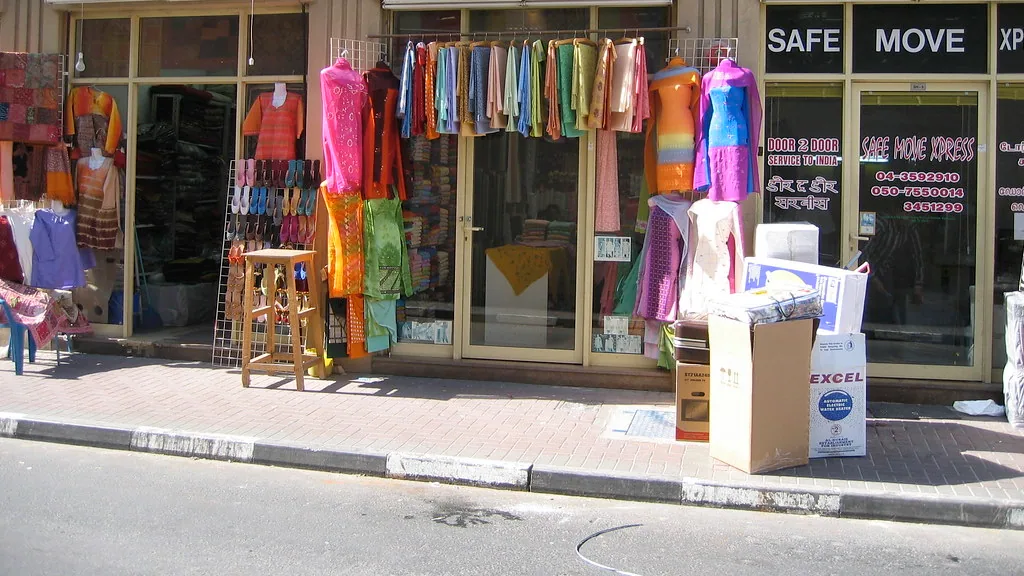
This week, local market shopping in India is defined by a quiet tension between tradition and change. Festive preparations are in full swing across cities, but the usual rush in traditional bazaars is missing. Shoppers are more deliberate, budget-conscious, and in some cases, turning away from crowded street markets toward curated, online-first artisan brands. Here is what changed, why it matters, and what you should do about it.
If you plan to visit a physical market this week, go with a clear budget and a list. The deals are still there, but the crowds are thinner, and the pressure to impulse-buy is lower. For those who prefer to skip the walking, FRQ brings local bazaars online, letting you browse shops and compare prices before stepping out.
Why Footfall Is Dropping in Traditional Bazaars
According to The Sentinel, Guwahati's Fancy Bazar is decorated and festive, but the footfall is noticeably lower than in previous years. This is not an isolated case. Several factors are at play. Rising prices of raw materials have pushed up retail prices in physical markets, making them less attractive compared to online alternatives. Additionally, the convenience of browsing curated collections online, often with clear pricing and return policies, is pulling shoppers away from the chaos of street bargaining.
What This Means for Shop Owners
- You can no longer rely on festive footfall alone. You need an online presence to reach customers who are now researching before buying.
- FRQ's Starter plan lets you open a digital shop for free, list up to 50 products, and use a free POS system to manage both online and in-store sales.
- Consider offering fixed-price options alongside bargaining. Many shoppers now prefer transparent pricing over the stress of negotiation.
Mumbai Shoppers Set Strict Budgets for Navratri
Herzindagi reports that Mumbai shoppers are hunting for complete Navratri looks under ₹2,000. This includes outfit, accessories, and footwear. Markets like Bandra, Colaba, and Andheri are seeing targeted shopping rather than casual browsing. The trend is toward mix-and-match ethnic wear rather than heavy, single-occasion outfits. Shoppers are prioritising versatility and comfort over opulence.
What to Buy and What to Skip
- Buy: Lightweight cotton or silk blends, oxidised jewellery, and flat sandals that can be paired with multiple outfits.
- Skip: Heavily embellished lehengas and designer sarees unless you have a specific event that justifies the cost.
- Watch: Prices on festive accessories like bangles and anklets tend to spike in the final week before Navratri. Buy early to avoid the rush.
The Rise of Curated Artisan Brands
Dainik Jagran MP CG highlights a significant shift: festival shopping is moving from crowded markets to curated local artisan brands. These brands offer handcrafted, unique pieces with stories attached, often at prices comparable to or lower than market stalls after bargaining. They provide a cleaner shopping experience, with fixed pricing, quality assurance, and direct delivery.
How to Find These Brands
- Look for artisan collectives on hyperlocal platforms like FRQ, where individual weavers and small studios list their work directly.
- Check Instagram and WhatsApp catalogues of local designers who specialise in festival wear.
- Visit craft mela and exhibitions in your city. These are often organised by state handicraft corporations and feature verified artisans.
Practical Next Steps for Shoppers
If you are shopping this week, start online. Use FRQ to browse local shops in your city, compare prices, and check product photos. Once you have a shortlist, visit the physical store to try on and feel the fabric. This hybrid approach saves time and helps you avoid the disappointment of finding a better deal elsewhere.
For shop owners, the message is clear: the market is no longer just a physical space. Your reach is now defined by how well you present your inventory online. Open a store on FRQ, keep your catalogue updated, and use the free counter billing to manage sales smoothly across channels.
Frequently asked questions
Is footfall really down in Indian street markets this festive season?▼
Yes, reports from The Sentinel indicate that markets like Guwahati's Fancy Bazar are seeing lower footfall compared to previous years. This is attributed to rising prices, online competition, and shoppers becoming more deliberate in their buying habits.
Where can I find affordable Navratri outfits under ₹2,000 in Mumbai?▼
Mumbai markets like Bandra, Colaba, and Andheri offer options within this budget, according to Herzindagi. You can also explore curated artisan brands online or on hyperlocal platforms like FRQ, which often provide better value and quality for the price.
How do curated artisan brands differ from traditional market shopping?▼
Curated artisan brands offer handcrafted, unique pieces with fixed pricing and quality assurance, as noted by Dainik Jagran MP CG. They provide a cleaner shopping experience with direct delivery, whereas traditional markets involve bargaining and may have inconsistent quality.
Can small shop owners sell online without high costs?▼
Yes, FRQ's Starter plan allows shop owners to set up an online store for free, list up to 50 products, and use a free POS system. The paid Pro plan starts at ₹199 for 30 days, making it accessible for small businesses to expand online.
Sources
- Guwahati: Fancy Bazar feels festive, but footfall no longer what it used to be (The Sentinel - of this Land, for its People)
- Navratri Shopping Guide: Mumbai's Best Markets To Get A Complete Look Under ₹2,000 (Herzindagi)
- How Festival Shopping Is Shifting From Markets to Curated Local Artisan Brands (Dainik Jagran MP CG)
Discover authentic bazaar markets & local shops online.
See what local shops stock and what they charge, then visit the shop to check the item and pay at the counter.