Start a Saree Business from Home with Low Investment
You can start a saree business from home with an investment as low as ₹2,000 by sourcing wisely, pricing carefully, and selling through free online platforms.
FRQ Editorial
FRQ Journal editorial team · Updated
Prices and shop details come from live FRQ listings and can change.
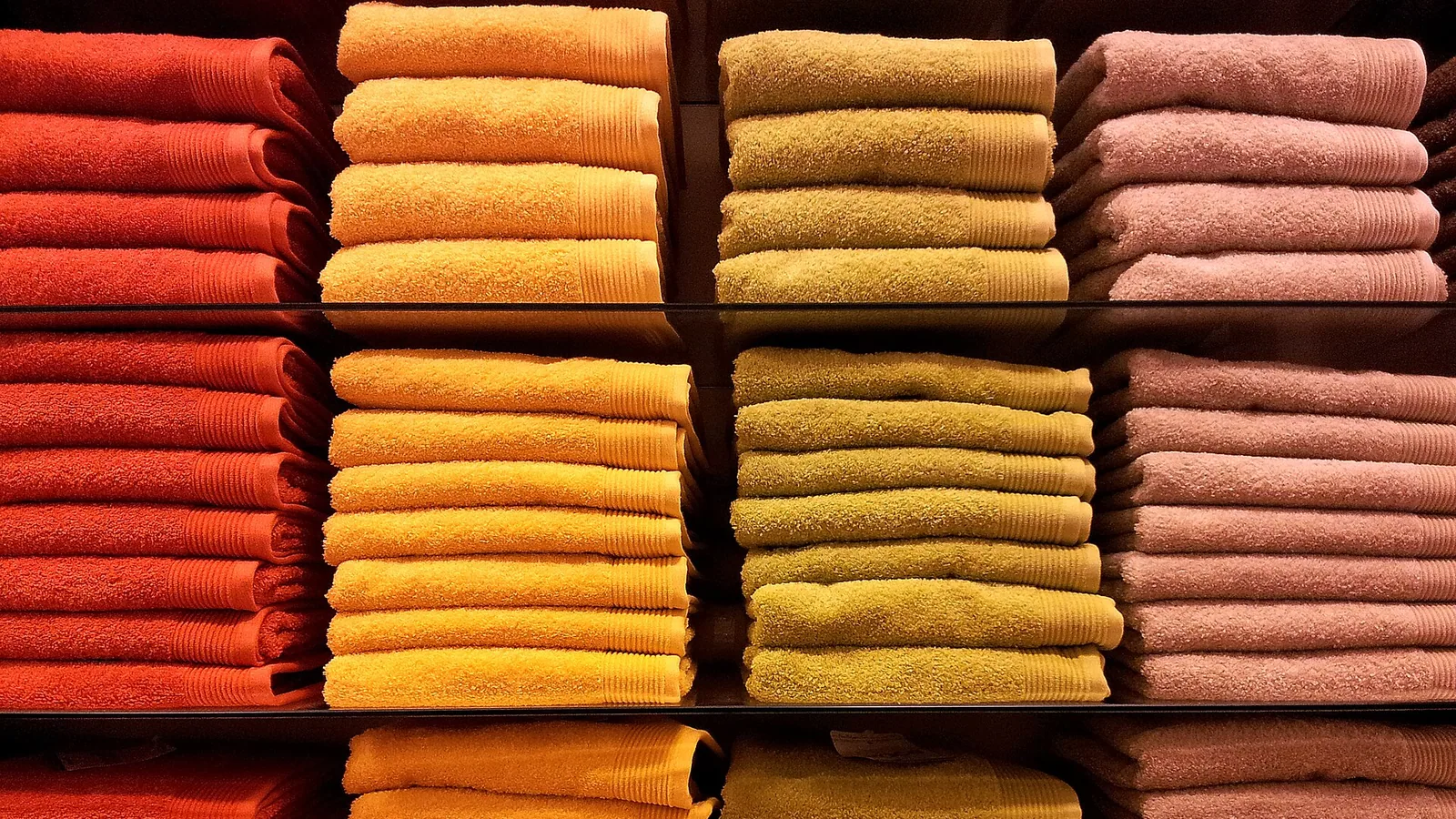
You can start a saree business from home with an investment as low as ₹2,000 by sourcing wisely, pricing carefully, and selling through free online platforms. The key is to begin small, validate demand, and reinvest profits before expanding your inventory.
Many women in India now prefer buying sarees from home-based sellers because they offer personal attention, flexible delivery, and often better prices than big retail chains. With a smartphone and a few free tools, you can set up a shop that reaches customers across your city and beyond.
How to source sarees with low upfront cost
Start with local markets and surplus stock
Visit your nearest textile market such as Surat, Varanasi, or a local wholesale market in your city. Ask for 'surplus' or 'leftover' lots from small weavers or shopkeepers. These are often sold at a discount because they are end-of-season or slightly imperfect. You can buy 10 to 15 sarees for as little as ₹150 to ₹300 each, depending on fabric and design.
Use online B2B platforms for small orders
Platforms like IndiaMART and TradeIndia allow small retailers to place orders directly from manufacturers. Look for sellers who offer 'retail starter packs' or 'mixed lots'. Always ask for a sample before placing a bulk order, and check the fabric quality by feeling the weight and texture.
How to price your sarees for profit
A simple pricing formula is: Sourcing Cost + Shipping + Platform Fee + Your Margin. For example, if a saree costs you ₹250 to source and ₹50 to ship, your base cost is ₹300. Add a 25% margin (₹75) and you sell at ₹375. Adjust this based on the fabric type, brand value, and festive demand.
Factor in hidden costs
Do not forget packaging, tissue paper, courier charges for returns, and any platform commission. If you sell through a marketplace that charges a fee, include it in your price. Keep a simple spreadsheet to track every expense so your margins stay healthy.
How to set up your online shop for free
You do not need a website developer or a paid plan to start selling. Several free options let you list products and accept orders without any upfront cost.
- Google Business Profile: Create a free business listing, upload photos of your sarees, and let customers find you through Google Search and Maps. This is ideal for local buyers.
- WhatsApp Business: Use the free app to create a business account. Set up a catalog, share product photos, and handle inquiries directly through chat. You can also use WhatsApp Status or broadcast lists for new arrivals.
- FRQ Starter Plan: FRQ offers a free Starter plan for new shop owners. You get up to 50 products, your own store address (yourshop.frq.in), free counter billing, and 0% commission. This is a strong option if you want a dedicated online storefront without paying anything initially.
How to get your first customer
Your first sale often comes from your immediate network. Share your new shop link or product photos in family groups, local community WhatsApp groups, and social media pages. Offer a limited-time discount or free shipping for the first five orders to encourage reviews and referrals.
Use local events and festivals
Promote your sarees around festivals like Navratri, Diwali, or wedding seasons. Create small gift sets or bridal collections and post them with clear pricing. Many buyers look for affordable ethnic wear during these periods, and your home-based shop can offer better variety than crowded markets.
Legal and tax rules you must know
Before you start selling, check the rules for small businesses in India. If your annual turnover crosses the threshold for GST registration, you must apply on the official GST portal (gst.gov.in). Until then, you can operate as an unregistered seller, but keep proper records of your income and expenses. Confirm the exact turnover limit on the portal, as it can change.
You may also need a basic trade license from your local municipal corporation if you operate from home. The rules vary by city, so visit your city's official website or the local office to confirm the requirements and any fees involved.
Frequently asked questions
How much money do I need to start a saree business from home?▼
You can start with as little as ₹2,000. This covers the cost of 10 to 15 sarees from a local surplus market, basic packaging, and a small initial stock. Keep your expenses low until you make your first few sales and reinvest the profits.
Can I sell sarees online without a GST number?▼
Yes, you can sell without a GST number if your annual turnover stays below the registration threshold. However, you must monitor your sales and apply for GST registration on gst.gov.in once you cross the limit. Until then, keep accurate records of all transactions.
What is the best free platform for a new saree seller?▼
For a dedicated online store with no upfront cost, FRQ's Starter plan is a strong option. It gives you up to 50 products, your own frq.in store address, and free billing tools. If you prefer local discovery, Google Business Profile is also completely free and helps customers find you through maps and search.
How do I set the price for my sarees?▼
Add your sourcing cost, shipping, platform fees (if any), and a 20% to 30% margin. For example, a saree that costs ₹250 to source plus ₹50 shipping should be priced around ₹375. Adjust based on fabric quality, festive demand, and what similar sellers are charging.
How can I get my first few customers quickly?▼
Start by sharing your products with friends, family, and local community groups on WhatsApp. Offer a small discount or free shipping for the first few orders to encourage reviews. Post clear photos with pricing during festivals when demand for ethnic wear is high.
Discover authentic bazaar markets & local shops online.
See what local shops stock and what they charge, then visit the shop to check the item and pay at the counter.