Karwa Chauth 2026 Shopping Guide: Outfits, Thalis & Costs
A practical guide to Karwa Chauth 2026 shopping, covering outfit costs, puja items, and the best times to buy.
FRQ Editorial
FRQ Journal editorial team
Prices and shop details come from live FRQ listings and can change.
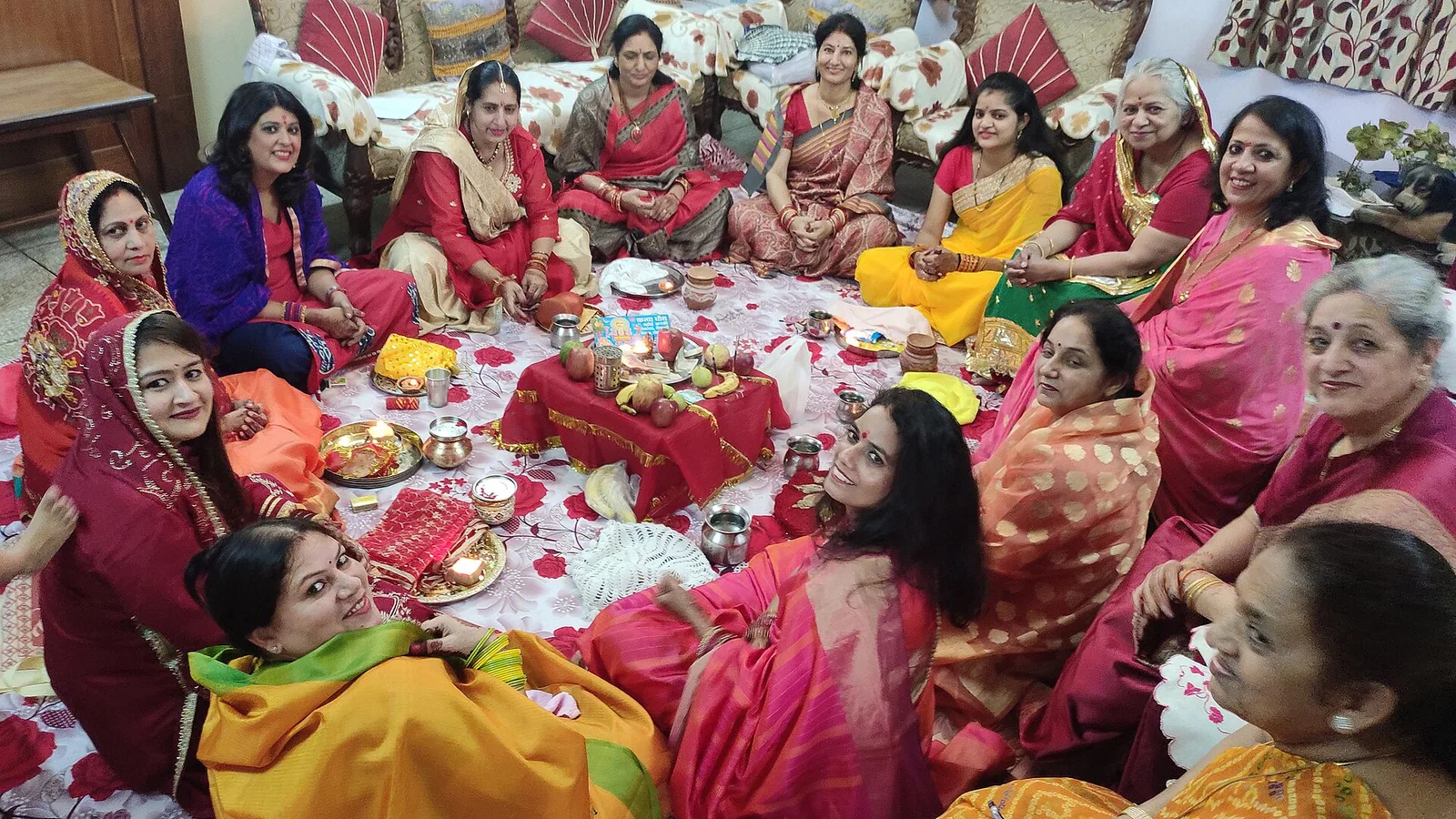
Karwa Chauth 2026 falls on 19 October, and the shopping pressure starts weeks before. You need a red outfit, bangles, mehendi, and a puja thali, but knowing what each item costs and when to buy can save you both money and stress. This guide covers the essentials, realistic budget ranges, and the smartest time to shop.
We focus only on what Indian shoppers actually need for this festival: clothing, beauty items, and ritual objects. Prices are based on what local markets and online platforms typically charge for mid-range quality, not luxury designer pieces.
What to Buy for Karwa Chauth 2026
Red Sarees and Suits
Red is the traditional colour for Karwa Chauth, symbolising prosperity and marital bliss. You can choose between a saree, a salwar suit, or a ready-to-wear lehenga. A cotton saree from a local market or a small online store costs between ₹600 and ₹1,200. A silk blend or a saree with light embroidery ranges from ₹1,200 to ₹2,500. A salwar kameez set in georgette or crepe usually falls between ₹800 and ₹1,800.
Bangles and Mehendi
Bangles are non-negotiable for Karwa Chauth. You can choose glass, acrylic, or kundan-studded bangles. A simple set of glass bangles costs ₹150 to ₹400. A kundan or pearl-studded set ranges from ₹500 to ₹1,200. Mehendi cones are widely available; a good-quality cone with a fine tip costs ₹80 to ₹200. If you prefer natural mehendi, a small packet of powder is ₹100 to ₹250.
Puja Thali Sets
A puja thali usually includes a small steel or brass plate, a diya, rice grains, kumkum, and a small bell. A basic steel thali set costs ₹200 to ₹400. A brass or silver-plated set with decorative engraving ranges from ₹500 to ₹1,200. If you already have the items, buying them individually is cheaper; a single brass diya is ₹100, and a small kumkum packet is ₹30.
When to Shop to Avoid Rush and Price Spikes
The first week of October is the calmest period for Karwa Chauth shopping. Shops are well-stocked, and prices are at their lowest because demand is still low. From the second week onwards, prices rise by 15% to 25% as retailers anticipate the rush. The worst days are 15 to 18 October, when last-minute buyers crowd markets and online delivery slots fill up.
If you must shop late, visit early in the morning or on weekdays. Weekend afternoons are the most congested. Online platforms often offer festival discounts in the first ten days of October, so check those before you visit a physical store.
Karwa Chauth Shopping Checklist
- Red saree, suit, or lehenga (try it on at least a week before)
- Bangles (glass or kundan, at least 4 to 6 pieces)
- Mehendi cone or powder with a fine-tip applicator
- Puja thali or individual items (plate, diya, rice, kumkum, bell)
- Matching footwear (heels or flats that go with your outfit)
- Small gift for your mother-in-law or mother (saree, sweets, or a small puja item)
How to Shop Local for Karwa Chauth
Local markets often have better fabric quality and customisation options than big online retailers. You can ask for a small discount when buying multiple items, such as a saree plus bangles. Many shopkeepers offer free home delivery within the same city if you spend above a certain amount, usually ₹1,500 to ₹2,000.
FRQ brings local bazaars online, so you can browse real shops and their inventories from home. Each shop has its own web address, and you can check product photos, ask questions through the platform, and even schedule a visit. This helps you shortlist shops before stepping out, saving time and avoiding impulse purchases.
When you visit a physical shop, carry cash for small items like kumkum or mehendi, as shopkeepers often give better cash prices than card payments. Always check the fabric composition tag on sarees and suits; a cotton-silk blend will drape better and last longer than a cheap synthetic mix.
Budget Summary
For a complete Karwa Chauth look without overspending, budget ₹2,500 to ₹4,000 in total. This covers a mid-range outfit, bangles, mehendi, and a basic puja thali. If you already own a thali or bangles, you can bring the total down to ₹1,500 to ₹2,500. Prices vary by city, so compare two or three shops before buying.
Frequently asked questions
How much does a red saree cost for Karwa Chauth?▼
A red cotton saree from a local market or online platform costs between ₹600 and ₹1,200. Silk blends or sarees with light embroidery range from ₹1,200 to ₹2,500. Prices depend on fabric, brand, and embellishments.
When is the best time to buy Karwa Chauth items?▼
The first week of October offers the lowest prices and the best selection. From the second week, prices rise by 15% to 25%. The days between 15 and 18 October are the most crowded and expensive, so shop early if you can.
What should I include in a Karwa Chauth puja thali?▼
A basic puja thali includes a small steel or brass plate, a diya, rice grains, kumkum, and a small bell. You can buy a ready-made set for ₹200 to ₹400 or purchase items individually. A brass diya costs around ₹100, and kumkum is ₹30.
Can I negotiate prices at local shops for Karwa Chauth shopping?▼
Yes. Shopkeepers in local markets often expect bargaining, especially when you buy multiple items like a saree and bangles together. Cash payments can also get you a small discount compared to card transactions.
Discover authentic bazaar markets & local shops online.
See what local shops stock and what they charge, then visit the shop to check the item and pay at the counter.