How to Start a Boutique Business in India: Costs & Licence Checklist
Opening a boutique in India costs between ₹50,000 and ₹3,00,000 depending on stock, rent, and branding, and requires a few key licences and registrations.
FRQ Editorial
FRQ Journal editorial team
Prices and shop details come from live FRQ listings and can change.
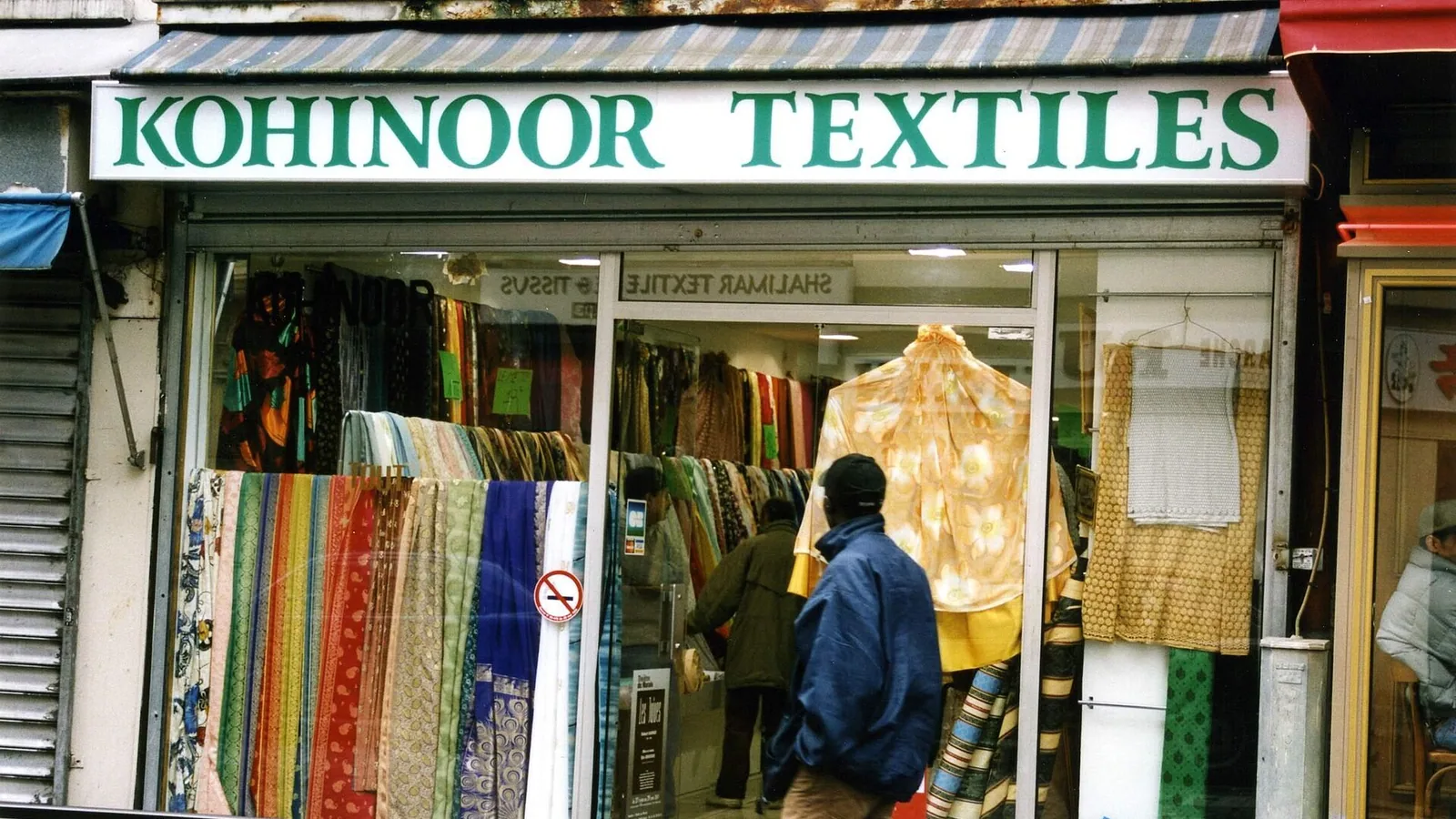
Opening a boutique in India is achievable with a modest budget if you plan carefully. Most small boutiques start with an investment between ₹50,000 and ₹3,00,000, depending on whether you rent a shop, buy inventory, and how much you spend on branding. The legal side is straightforward: you need a business registration, a local trade licence, and a GST registration if your annual turnover crosses the threshold set by the government.
You can also begin online without a physical storefront. Platforms like Google Business Profile let you list your shop for free, and FRQ's Starter plan allows up to 50 products with zero commission and no monthly fee. This lets you test the market before committing to rent and bulk stock.
How much does it cost to start a boutique in India
One-time setup costs
- Shop rent deposit: typically 2 to 6 months' rent. In a tier-2 city, expect ₹10,000 to ₹30,000 per month, so deposit may be ₹20,000 to ₹1,80,000.
- Interior and lighting: simple racks, hangers, and LED lights cost ₹15,000 to ₹40,000.
- First stock purchase: starting with 50 to 100 pieces of clothing or accessories usually costs ₹25,000 to ₹1,00,000 depending on whether you source from local weavers, wholesale markets, or manufacturers.
- Billing software or POS machine: a basic tablet-based POS is free with FRQ's Starter plan; otherwise, a standalone system costs ₹5,000 to ₹15,000.
- Licence and registration fees: trade licence is usually ₹2,000 to ₹5,000; GST registration is free if you apply online; PAN card is ₹100 to ₹200.
Monthly recurring costs
- Shop rent: varies widely by city and locality. Budget ₹10,000 to ₹60,000 per month.
- Electricity and internet: ₹2,000 to ₹5,000 combined.
- Staff salary: one part-time helper may cost ₹8,000 to ₹15,000 per month.
- Marketing: social media ads or flyers can start at ₹1,000 per month.
Licences and registrations you need
Business registration
If you operate as a sole proprietor, no separate registration is mandatory, but you should open a current bank account in the business name. For partnerships or private limited companies, you must file incorporation documents with the Ministry of Corporate Affairs. Many small boutique owners start as sole proprietors to keep paperwork minimal.
GST registration
Goods and Services Tax registration becomes compulsory when your annual turnover exceeds ₹40,00,000. Below that threshold, you can still register voluntarily if you want to claim input tax credit or sell to other businesses. The application is free on the GST portal, and you will receive your GSTIN within a few working days.
Local trade licence
Every city requires a shop establishment licence or trade licence from the municipal corporation. You will need proof of address, a PAN card, and a small fee. Renew it annually. Some cities also require a fire safety certificate if your shop is above a certain size.
Step-by-step checklist to open your boutique
- Choose a location or decide to sell online first. Visit the area, note footfall, and check if similar shops are already doing well.
- Register your business name and open a current bank account. Get a PAN card if you do not have one.
- Apply for the local trade licence at your municipal office. Carry rental agreement, identity proof, and passport photos.
- Decide on GST registration. If your projected turnover is below the threshold, you can defer it until you grow.
- Source inventory. Visit wholesale markets like Chandni Chowk, Surat, or local weavers. Buy a small initial batch to test demand.
- Set up your shop or online store. For a physical shop, arrange racks, lighting, and a billing counter. For online, create a free store on FRQ Starter or list on Google Business Profile.
- Launch with a small promotion. Offer a discount or free accessory on the first few customers to encourage reviews and word-of-mouth.
How to start an online boutique business in India
You can launch an online boutique without renting a shop. Start by photographing your stock in natural light. Use a smartphone and a simple backdrop; avoid busy backgrounds. Then list the products on a marketplace that caters to Indian shoppers.
FRQ's Starter plan is a free option: you get your own frq.in web address, up to 50 products, and a built-in billing counter. There is no commission on sales, so you keep the full price. If you later need more products or advanced features, the Pro plan starts at ₹199 for 30 days.
Alternatively, you can sell through WhatsApp Business and Instagram. Create a catalogue, share the link in your bio, and handle payments via UPI. This approach costs nothing beyond data recharge and works well for boutique owners who already have a local customer base.
Common mistakes to avoid
- Overbuying stock before testing the market. Start with a small batch and restock based on what sells.
- Ignoring local competition. Visit nearby shops, note their prices and styles, and find a gap you can fill.
- Skipping the trade licence. Operating without one can lead to fines and forced closure.
- Not keeping separate bank accounts for business and personal money. This makes tax filing and profit tracking much harder.
Frequently asked questions
Do I need a GST number to start a boutique?▼
GST registration is mandatory only if your annual turnover exceeds ₹40,00,000. If you are just starting and expect lower sales, you can delay registration. However, applying voluntarily is free and may help if you plan to sell to other shops or claim tax credits.
Can I run a boutique from home in India?▼
Yes, many boutique owners begin from home, especially when selling online. You will still need a trade licence if your local municipality requires it for any commercial activity. A home address can be used for registration, but check with your municipal office for specific rules.
What is the cheapest way to start selling clothes online?▼
The cheapest way is to use free platforms. FRQ's Starter plan costs ₹0 and lets you list up to 50 products with your own store link. You can also sell through WhatsApp Business and Instagram without any platform fees. All you need is a smartphone, good lighting, and a UPI ID for payments.
How much profit can a small boutique make in India?▼
Profit depends on location, stock quality, and pricing. A well-managed small boutique in a tier-2 city can earn a net profit of ₹15,000 to ₹40,000 per month after rent, salaries, and inventory costs. In metro areas, margins may be higher but rent and competition also increase.
Is a PAN card necessary for a boutique shop?▼
A PAN card is needed to open a business bank account and for GST registration. It also helps when dealing with suppliers who issue tax invoices. The application is simple and costs a small fee, usually under ₹200.
Discover authentic bazaar markets & local shops online.
See what local shops stock and what they charge, then visit the shop to check the item and pay at the counter.