How to Choose a Chaniya Choli for Navratri Garba
Pick a chaniya choli that lets you spin for hours without pulling, slipping, or overheating.
FRQ Editorial
FRQ Journal editorial team
Prices and shop details come from live FRQ listings and can change.
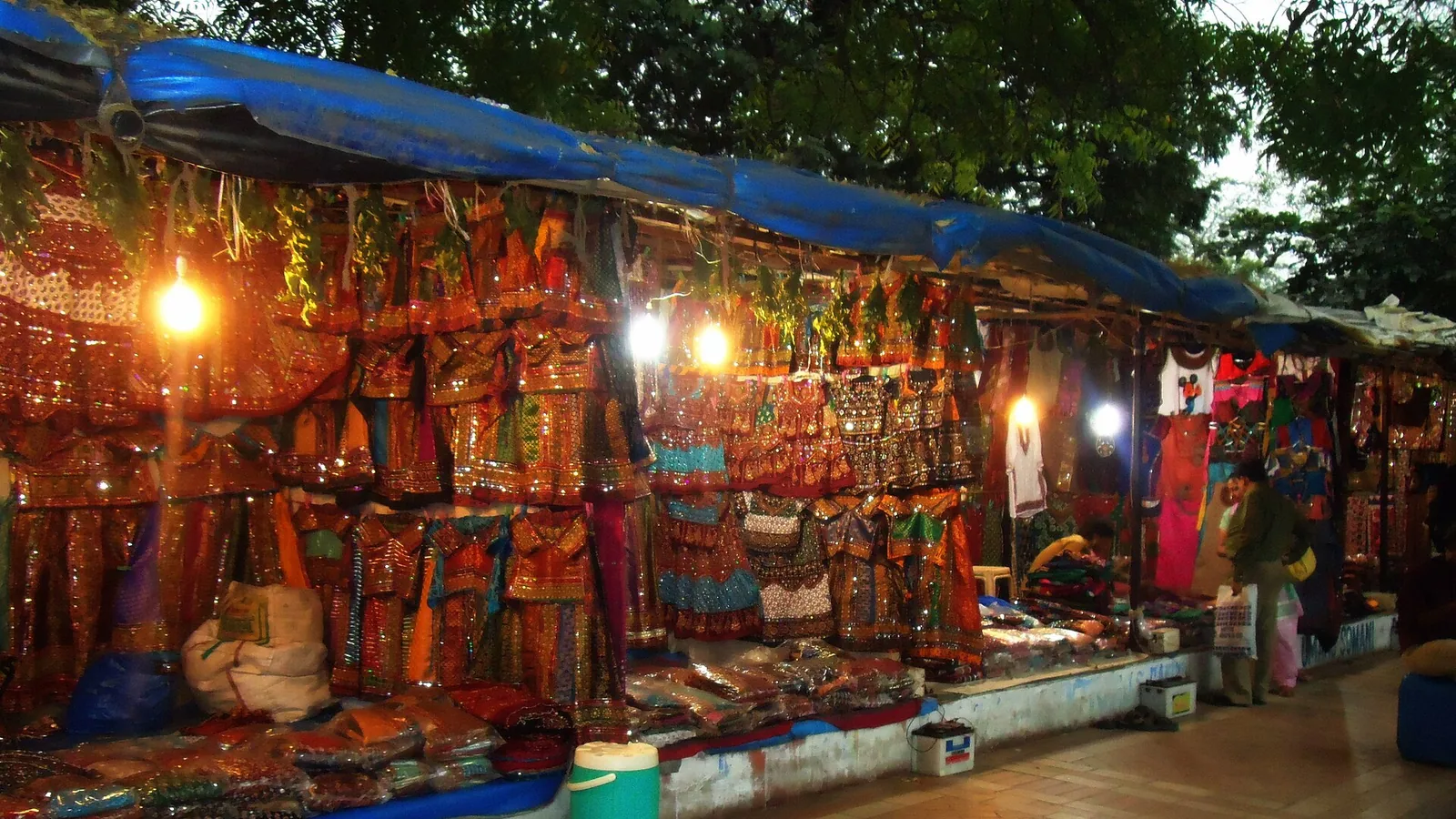
A good chaniya choli for Navratri garba must balance beauty and movement. You need a outfit that lets you spin, clap, and step for hours without the blouse slipping, the skirt riding up, or the fabric trapping heat. This guide helps you judge fabric, stitching, mirror work, and price before you pay.
Start by deciding how many nights you will wear the outfit. If it is for one or two garba events, a lighter budget works. If you plan to wear it across all nine days or to multiple community venues, invest in stronger stitching and a fabric that survives repeated washing.
Check the Fabric First
Cotton and Semi-Cotton for Breathability
Garba involves continuous movement in crowded halls or open grounds. Pure cotton lets air pass through and reduces sweat buildup. Many affordable chaniya cholis use cotton blends with polyester for sheen. Hold the fabric against light; if you see gaps between threads, it will breathe better.
Avoid Heavy Synthetics for All-Night Wear
Synthetic fabrics like georgette or velvet look festive but trap body heat. They also cling to skin when you sweat. If you love the look, pick a cotton-lined version or reserve it for shorter evening events.
Test the Stitching and Lining
- Pull the skirt hem gently; threads should not unravel easily.
- Look inside the blouse for a lining layer. A lined blouse prevents transparency under bright lights.
- Check the shoulder straps and back hooks. They must be metal, not plastic, for durability.
- Examine the waistband of the skirt. A stitched waistband with a drawstring or hook allows adjustment during long dances.
- Run your finger along the inner seams. Flat felled seams indicate better finish and fewer skin irritations.
Examine Mirror Work and Embroidery
Mirror work defines a traditional chaniya choli, but poorly attached mirrors can fall off mid-dance. Look closely at each mirror. It should sit flat against the fabric with tight, even stitching around the edges.
Quick Mirror Test in the Shop
- Press the mirror lightly with your fingernail. If it wobbles, the glue or thread is weak.
- Rub the embroidered area with your thumb. No loose threads should catch your skin.
- Tilt the outfit under light. Reflections from mirrors should be uniform; uneven angles suggest poor placement.
- Ask the shopkeeper for a spare mirror. A confident seller usually has extra pieces.
Fit for Movement, Not Just Mirror
A chaniya choli must allow a full range of motion. Do not judge fit only by waist measurement. Try the blouse with a sports bra or your usual undergarment. Lift your arms above your head; the blouse should not ride up or gap at the back.
Length and Flare Checks
- Skirt length should reach mid-calf. Too long and you will trip; too short and the outfit loses traditional appeal.
- Flare starts from the waist, not the hips. Twirl once in the shop; the skirt should open evenly.
- Blouse sleeves should end at the elbow or just above. Longer sleeves restrict clapping.
Price Comparison and Budget
Prices vary widely based on fabric, mirror density, and brand. A basic cotton chaniya choli with minimal mirror work starts around ₹800. A heavily embroidered piece with full mirror coverage ranges from ₹1,800 to ₹3,500. Compare two or three shops before buying.
What Affects the Price
- Number of mirrors per square inch.
- Type of thread used for embroidery (cotton, silk, or zari).
- Presence of a matching dupatta or belt.
- Brand or designer label.
Common Mistakes to Avoid
Shoppers often buy based on colour alone and ignore fit. A bright red outfit that pinches at the waist will ruin your garba night. Another mistake is trusting online photos without checking fabric weight. Always feel the material in hand.
- Choosing a blouse with plastic hooks that snap after one use.
- Ignoring lining and buying a sheer skirt that shows undergarments.
- Paying extra for heavy embroidery without checking if the thread is colourfast.
- Skipping the twirl test and buying a skirt with uneven flare.
What to Ask the Shopkeeper
A good shopkeeper can tell you more than the tag. Ask direct questions to judge quality and after-sales support.
- Can this outfit be washed at home, or does it need dry cleaning?
- Do you have a spare mirror if one falls off?
- Is the colour fast if it gets wet with sweat?
- Can you adjust the waist or hem within a week if needed?
- What is the exchange policy if the size does not fit?
Final Checklist Before Payment
- Fabric feels breathable and not overly synthetic.
- Blouse has metal hooks and full lining.
- Mirrors are firmly stitched and flat.
- Skirt length and flare suit your height and dance style.
- Price matches the quality after comparing two shops.
Frequently asked questions
How much should I spend on a chaniya choli for Navratri garba?▼
For regular garba nights, budget between ₹800 and ₹1,800 for a cotton piece with moderate mirror work. If you want heavier embroidery, zari thread, or a designer label, expect ₹1,800 to ₹3,500. Always compare two shops before paying.
Can I wear a chaniya choli in summer garba events?▼
Yes, if you pick cotton or semi-cotton blends. Avoid pure georgette or velvet for long outdoor sessions. Light colours also reflect heat better than dark shades.
How do I know if the mirror work is durable?▼
Press each mirror with your fingernail. If it wobbles, the attachment is weak. Rub the area with your thumb; loose threads indicate poor stitching. Ask the shopkeeper for a spare mirror to test its fit.
What is the ideal blouse length for garba dancing?▼
Elbow-length sleeves work best. They allow free arm movement for clapping and dandiya sticks. Avoid full-length sleeves that bunch up or restrict circulation.
How many chaniya cholis should I own for the nine Navratri days?▼
Two well-made outfits are enough. Rotate them to let fabric recover and reduce washing wear. One can be lighter for daytime events and the other heavier for evening venues.
Discover authentic bazaar markets & local shops online.
See what local shops stock and what they charge, then visit the shop to check the item and pay at the counter.