Handloom Sarees This Week: New Incentives, Festivals & What to Buy
A 30% government incentive and a major natural-fabric festival are reshaping how you shop for handloom sarees this week.
FRQ Editorial
FRQ Journal editorial team · Updated
Based on FRQ marketplace data and the reporting credited under Sources.
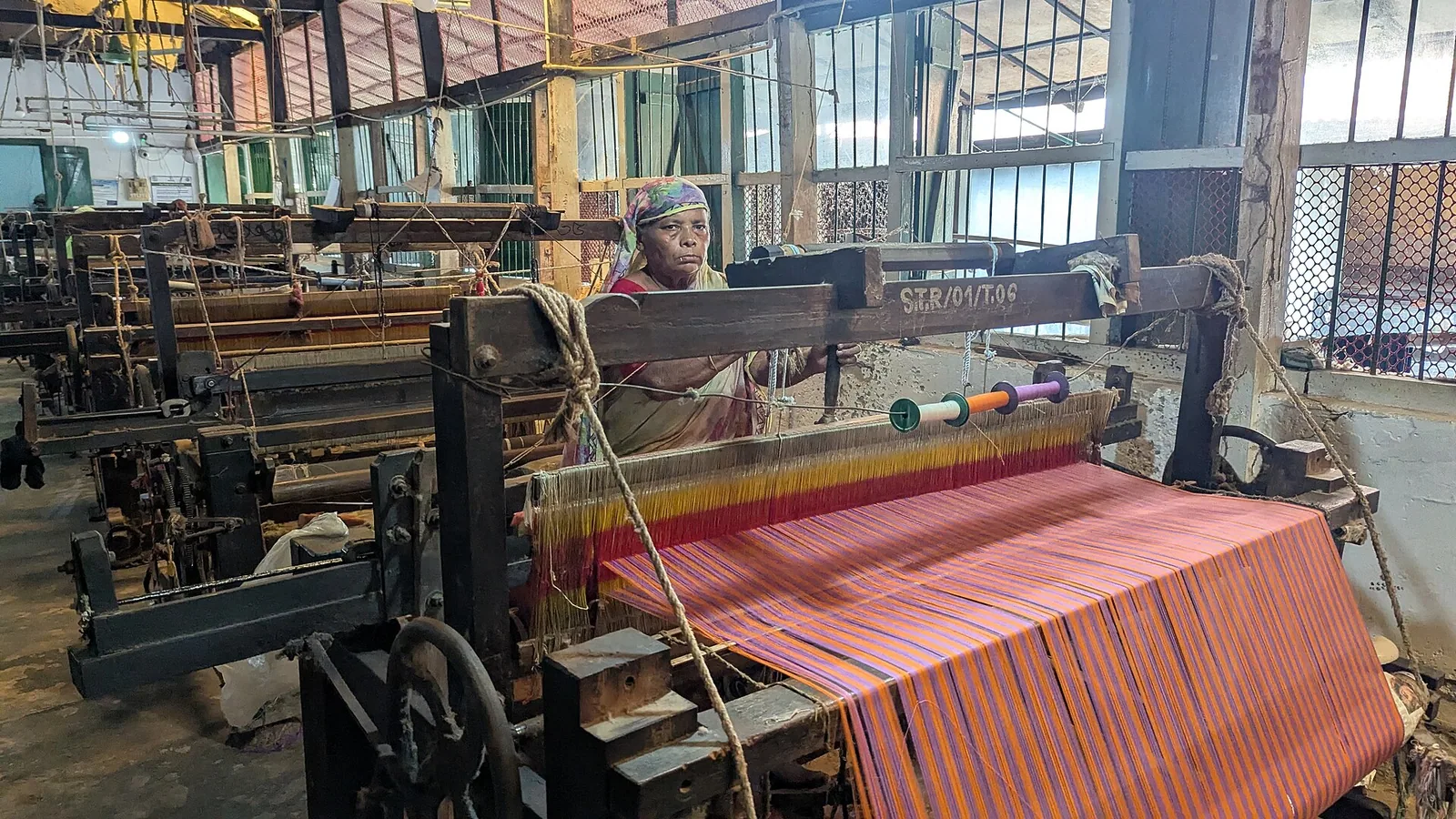
Two big events this week are pushing handloom sarees into sharper focus. On 1 October 2026, the Gujarat government announced a 30% incentive on khadi and polyvastra sales, reported by The Times of India. The same day, The Hindu covered Bengaluru’s Naturally Dyed Handmade Festival, which showcased khadi and natural-fabric clothing. Together, these stories mean more supply, better pricing, and a stronger case for buying handloom sarees now rather than waiting.
If you are shopping for handloom sarees this week, the practical takeaway is simple: look for khadi-certified pieces, prefer natural dyes for festive wear, and compare prices across at least two shops. The incentive scheme is expected to lower prices in Gujarat-linked stores, while the Bengaluru festival has highlighted smaller weaver collectives that rarely appear in big retail chains.
Why handloom sarees are trending this week
Gujarat’s 30% khadi incentive
According to The Times of India, the Gujarat government has introduced a 30% incentive on khadi and polyvastra sales. This is not a discount you get at the counter; it is a subsidy that lowers the cost for weavers and retailers, which usually flows to the buyer as slightly lower prices or better value packs. If you are buying from a shop that sources from Gujarat, you may see khadi sarees priced below comparable cotton or silk blends.
Bengaluru’s natural-dye festival
The Hindu’s coverage of Bengaluru’s Naturally Dyed Handmade Festival on 1 October 2026 highlights a growing preference for plant-based dyes over chemical ones. Handloom sarees dyed with indigo, madder, or turmeric are easier on the skin and fade gracefully. The festival also brought together weaver cooperatives that sell directly, cutting out middlemen and keeping prices reasonable even for pure khadi.
What to buy: handloom sarees worth your money
- Pure khadi cotton sarees for daily wear: breathable, low maintenance, and now cheaper in Gujarat-linked shops.
- Indigo-dyed handloom sarees for office or casual use: the natural dye ages well and suits Indian skin tones.
- Silk-marked handloom silk sarees for weddings: look for the weave signature on the border; prices are stable but stock is limited.
- Polyvastra khadi blends: a budget-friendly alternative to pure khadi, eligible for the Gujarat incentive.
What to skip or delay
- Mass-produced jacquard sarees marketed as handloom: check for uneven slubs and loose threads; if the pattern is identical across units, it is likely powerloom.
- Chemical-dye sarees sold at festival stalls: they may look bright but often bleed colour after the first wash.
- Sarees priced far below market average: pure khadi cotton rarely costs less than ₹800; anything cheaper is either blended or fake.
How to verify handloom sarees before you pay
- Look for the slub texture: handloom weaves have small, irregular bumps that powerloom fabric cannot replicate.
- Check the border and pallu: handloom pieces usually have slightly uneven motifs; perfect symmetry suggests machine work.
- Ask for the weaver’s mark or GI tag: authentic handloom sarees from regions like Banaras, Kanchipuram, or Maheshwar carry a registered label.
- Do the burn test sparingly: a small thread from the fabric should smell like burning cotton or silk, not plastic.
Where to shop online and offline
FRQ brings local bazaars online, so you can browse handloom sarees from small shops before stepping out. Each shop on FRQ gets its own web address and can display real stock photos. If you prefer to visit in person, check the shop’s FRQ page for address and hours; many sellers list weekend-only stock that does not appear online.
For direct-from-weaver options, look for cooperatives listed on state handloom corporation sites or visit the Bengaluru festival’s participating stalls if you are in Karnataka. Gujarat-linked buyers can check local khadi stores that display the new incentive poster; these shops are more likely to pass the savings.
What to watch next
The Gujarat incentive is likely to expand to other states after the festive season, so keep an eye on state textile department announcements. Bengaluru’s festival may become an annual event, which means new weaver collectives will enter the market every October. If you are building a wedding trousseau, buy your primary handloom sarees now and watch for supplementary pieces like matching blouses or stoles later in the season.
Frequently asked questions
How does the Gujarat 30% incentive affect handloom saree prices?▼
The incentive is a subsidy to weavers and retailers, not a direct discount. It lowers production cost, so shops that source from Gujarat may reduce prices slightly or offer better value packs. You should still compare prices across shops, as not every retailer passes the full benefit to buyers.
Are natural-dye handloom sarees worth the extra cost?▼
Yes, if you plan to wear them often. Natural dyes are gentler on skin, fade evenly, and hold resale value better than chemical-dye sarees. Expect to pay 10 to 20% more, but the difference is visible after a few washes when chemical dyes start to dull.
How can I tell if a saree is really handloom?▼
Check for irregular slubs, slightly uneven borders, and a weaver’s mark or GI tag. If the pattern is perfectly identical across the entire saree and the fabric is smooth like machine cloth, it is likely powerloom. A small thread burn test can confirm natural fibre, but do it discreetly.
Where can I buy authentic khadi sarees online in India?▼
FRQ lists many small shops that sell khadi and handloom sarees with real photos and store addresses. You can also check state handloom corporation websites or look for cooperatives that participated in the Bengaluru Naturally Dyed Handmade Festival.
Should I wait for Diwali sales to buy handloom sarees?▼
If you want the widest selection, buy now. Festive sales often bring cheaper synthetic blends marketed as handloom. Pure khadi and handloom silk sarees usually have limited stock, and popular weaves sell out before Diwali discounts even start.
Sources
Discover authentic bazaar markets & local shops online.
See what local shops stock and what they charge, then visit the shop to check the item and pay at the counter.