GST on Clothes in India: 5% Up to Rs 2,500, 18% Above
Clothes up to Rs 2,500 a piece are at 5% GST and above that at 18%, since 22 September 2025. Here is what it means for your bill.
Rahul
FRQ Journal editorial team
General guidance for shoppers. Prices are indicative and change by shop and season.
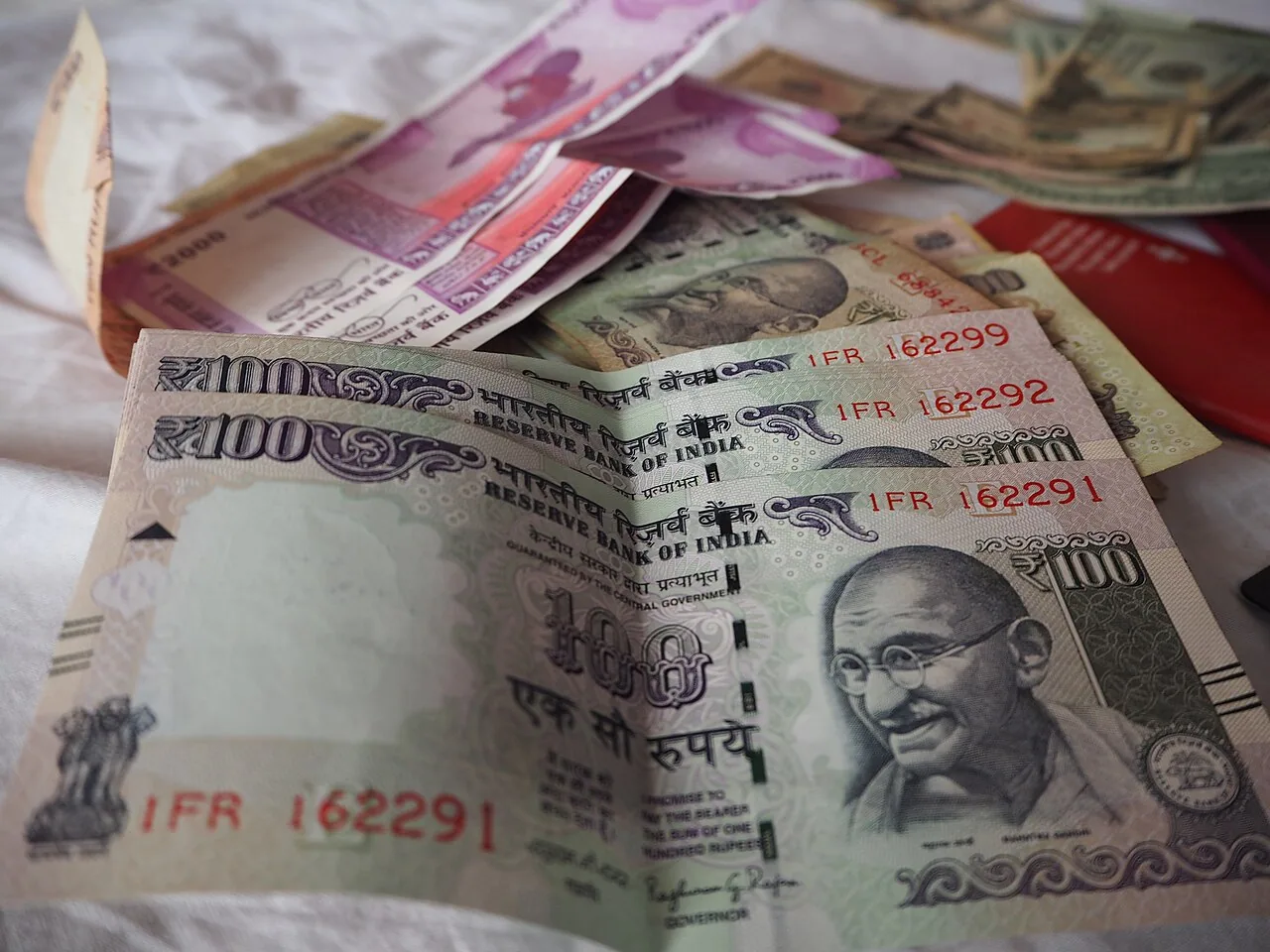
If you sell clothes in India, the GST rule is simple to say and easy to get wrong on a bill. Ready-made garments priced up to Rs 2,500 a piece attract 5% GST. Garments above Rs 2,500 a piece attract 18%. This applied from 22 September 2025, under the GST reforms the government and the GST Council announced that year.
Before the change, the 5% limit was Rs 1,000 a piece, and garments above Rs 2,500 were taxed at 12%. So a Rs 1,500 kurta moved from 12% to 5%, and a Rs 2,600 kurta moved from 12% to 18%. Shops that priced close to the old limit are the ones to re-check first.
What the rule means on the bill
The slab is set by the price of each piece, not the total of the bill. A bill can carry a Rs 2,400 kurta at 5% and a Rs 2,600 kurta at 18% in the same transaction. The Rs 2,600 piece is only Rs 200 more, but it sits in the higher slab. Before you price a range, check every item against the line, and check with your chartered accountant (CA) how discounts and offers affect the per-piece price.
Why people search for this
Google autocomplete for India, when you type gst clothing, offers gst clothing rate, clothing gst percentage, clothing gst slab, clothing gst hsn code and clothing gst change. Those are the questions owners ask at the counter: which rate applies, and what goes on the bill. The answer for most ready-made garments is the two-slab rule above.
What a proper bill should show
- The price per piece, before GST, for each item.
- The GST rate for each item: 5% or 18%, based on the slab.
- Your GSTIN, if you are registered.
- The HSN code for the goods, as your accountant tells you to list it.
- CGST and SGST split for in-state sales, or IGST for sales to another state.
For a sample layout you can adapt, see the GST bill format guide for clothing shops: https://frq.in/blog/gst-bill-format-for-clothing-shop-excel
Re-check your price list in one pass
Start with the items priced between Rs 2,000 and Rs 3,000, since those are the ones most likely to sit near the line. Write down the price per piece, the slab it falls in, and the rate on your current bill. Then check your billing software, because a setting that applies one rate to a whole category can overwrite the per-piece slab. Ask your CA to look at the list once before the festive sale, and keep a copy of the list with the date on it.
Also check items sold as sets. A set can include pieces in different slabs, so ask your CA how a set is treated for GST before you put one price on it.
The 2027 angle
GST rates are set through notifications, and they can change. The rule in this post is the one in force when I checked, in November 2026. I did not find a notified change for 2027, so do not plan around one until it is notified. Before each billing season, check the current rate on the government's GST portal, or ask your CA to confirm the slabs for the items you sell.
Festive sales are the moment this matters most. A festive discount can move the effective price of a piece, so ask your CA how to treat discounts on the bill before the sale starts, not after.
Common mistakes to avoid
- Using the old Rs 1,000 limit for the 5% slab.
- Putting the whole bill at one rate when the items fall into different slabs.
- Pricing a range by the average price instead of by each piece.
- Assuming fabric and footwear follow the garment rule. They have their own rates, so check them separately.
Disclaimer: this post is general information from public government and industry sources. It is not tax advice. GST rules and their details change. Check with a chartered accountant (CA) before you set prices, issue invoices or file returns.
Frequently asked questions
Frequently asked questions
What is the GST on clothes in India?▼
Ready-made garments priced up to Rs 2,500 a piece attract 5% GST. Garments above Rs 2,500 a piece attract 18%. These rates apply from 22 September 2025. Confirm with a CA for your items.
Did GST on clothes change in 2025?▼
Yes. The 5% limit went up from Rs 1,000 to Rs 2,500 a piece, and garments above Rs 2,500 went from 12% to 18%.
Is GST charged per piece or per bill?▼
The slab is based on the price of each piece, so one bill can carry items at different rates.
Will GST on clothes change in 2027?▼
I did not find a notified change for 2027. Check the current notification before each billing season.
Do I need a special bill format for GST?▼
A proper bill needs the fields listed above. The GST bill format guide has a sample layout: https://frq.in/blog/gst-bill-format-for-clothing-shop-excel
Photo credit: Indian 100 and 2000 rupee notes by Monito, CC BY 2.0, via Wikimedia Commons (featured image). Images are from Wikimedia Commons. FRQ is at https://frq.in
Related guides

Discover authentic bazaar markets & local shops online.
See what local shops stock and what they charge, then visit the shop to check the item and pay at the counter.